
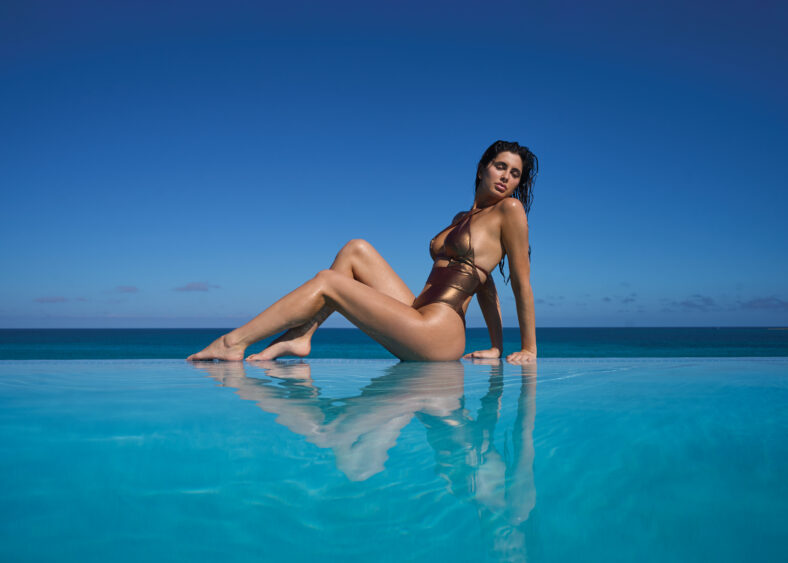
At even a young age, Darya Hope Pishevar’s sharp intellect and deep curiosity carried her across the planet. Her narrative was birthed in Maryland, but she’s since journeyed to the furthest corners of the world—from rustic Persian farms to the gleaming boardrooms of Silicon Valley, and nearly everywhere in between. While her raven-haired beauty is both immediate and self-apparent, she’s also matriculated in the acclaimed acting meccas of Hollywood and the halls of The New School in New York City, where she studied business and creative writing under full scholarship.
Her father, Shervin Pishevar, a renowned venture capitalist and super angel investor, was instrumental in growing startups such as Airbnb, Uber, Postmates, Slack, and Robinhood into household names. His self-determination instilled in Darya a pioneering sense of independence and courage that defines her career to this day. But it’s clear from speaking with her even briefly that surrounding female figures have influenced her equally, if not more. More specifically, she namechecked her paternal grandmother, Eshrat Joy, as one of the strongest mentors in her life.

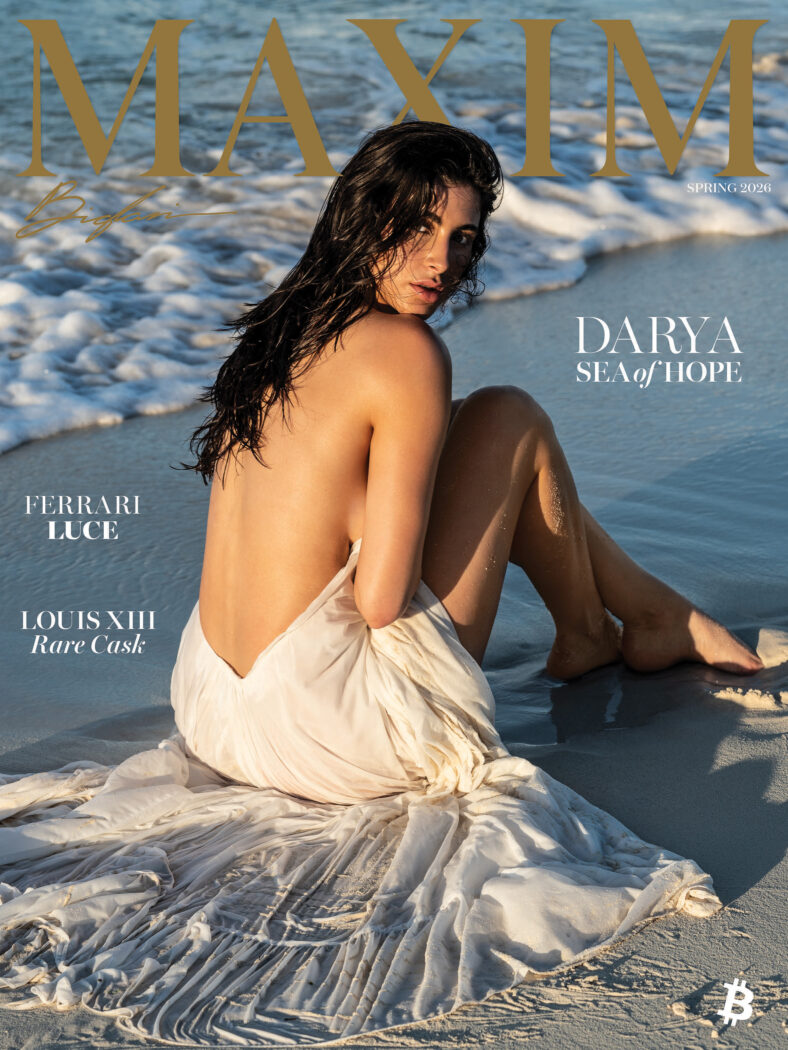
“I’ve always said to myself: visualize and realize,” Darya shares with Maxim over a thoughtful and revealing conversation. “Visualize what you want for yourself and realize the building blocks you need to make it a reality.” Now the Persian, Swedish, and American entrepreneur has made the cover of Maxim a reality as her first major modeling assignment—and we’re all the luckier for it.
Tell us a bit about your story. Where did you grow up?
I was born in Maryland but grew up in Palo Alto, California. However, some of my first memories of life were in Iran—we lived on a farm just outside of Bandar Anzali. There were goats, horses, and all sorts of animals there. I remember always tending to them and having such a connection with nature. We lived there for a short period of time and moved back to this little town called Clarksville in Maryland for some years. I remember vividly—just before we moved to California—my father was reading the paper before school and saw a column with a picture of Steve Jobs holding the first iPhone. He turned to my brother and me while we indulged in Cinnamon Toast Crunch and said, “Do you guys see this? This device right here is going to change the world, and we need to be wherever it’s being created.” So, in the summer of 2007, we packed up our livelihood and moved into this tiny little apartment in Palo Alto. We didn’t have much back then, but those were some of the happiest memories of my life. Being in that environment at such a young age—surrounded by the energy of Silicon Valley during a time when technology was reshaping the world—shaped the way I think about creativity, entrepreneurship, and possibility.

What are some of your passions?
Writing has always been one of my greatest passions. I have been writing since I first learned how to hold a pencil. Both of my parents are exceptional writers, though their styles are very different. My mother writes with a poetic, almost omniscient voice, while my father writes with passion and innovation. I like to think my voice is a blend of both.
It was my mother who introduced me to poetry. Though she is Swedish, she was the one who showed me the great Iranian poets. Hafez must come first because his poems shaped so much of how I see the world. Rumi has also been deeply influential. Outside of Iranian poetry, I love [Rainer Maria] Rilke, and among American poets I admire Walt Whitman. I have documented much of my life through writing, and one day I hope to compile it into a book. That project is still years away, though, as I am only twenty-five and still living the story.

How do you define success now, and how does it differ from what success meant to you earlier in life?
Earlier in life, success felt external: visibility, recognition, achievements that people could easily measure. Now success feels much more internal. It’s alignment between who I am, what I believe, and what I’m building. If those things are in harmony, everything else tends to follow naturally. There is a poem by Persian poet Saadi I love that says:
“Two qualities elevate a person above others: Wisdom and generosity. Wealth without wisdom is fragile, and power without justice soon collapses. The truly noble person treats others with fairness and compassion. Such a person’s name lives on long after their wealth has vanished.”

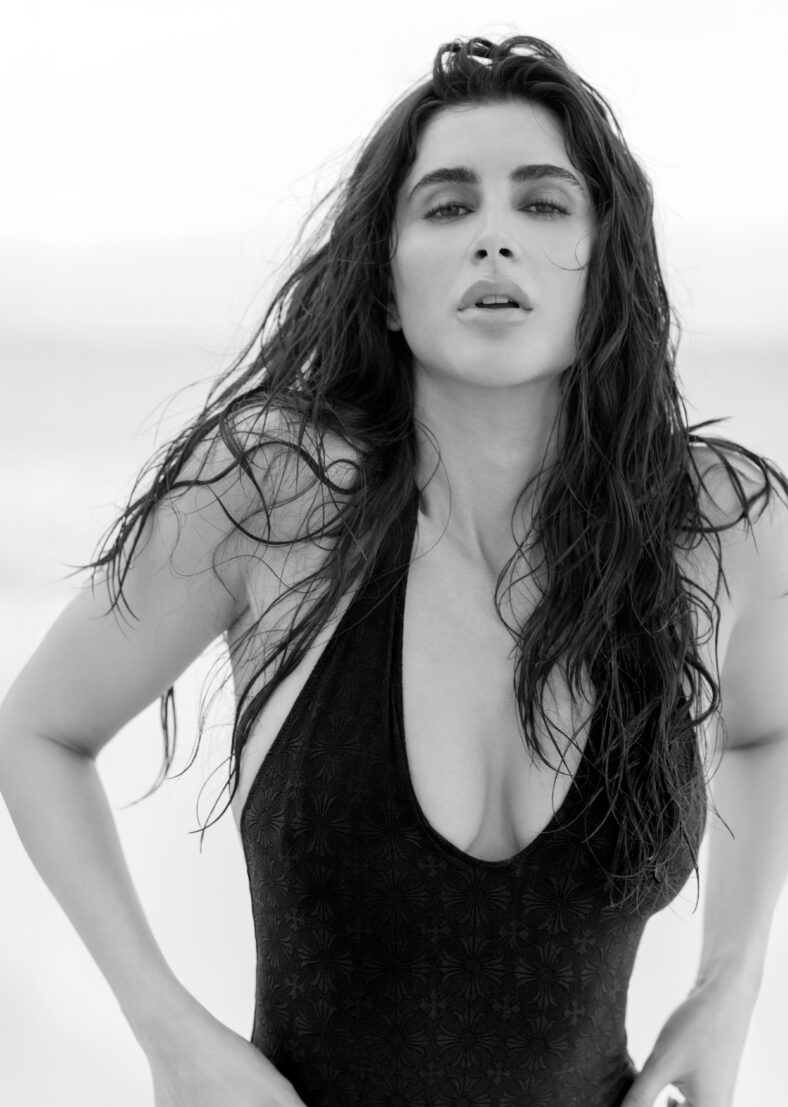
What does it mean to earn the coveted Maxim cover?
It is truly an honor to be offered the cover. I am new to this world and had never done a professional modeling job before, so when the opportunity came, I did not take it lightly. Of course, there was some nervousness, but I also saw it as an opportunity to present myself authentically. To me, being a Maxim woman simply means being yourself. The platform allows you to express that identity in your own way as long as you remain true to who you are.
You work across many industries, from investment and business to beauty and creative projects. What personal quality do you believe is most central to everything you do?
Since I can remember, the most important principle in my life has been authenticity. As a child I had almost no fear. I was always the first to volunteer to try something new, the person who stood up for kids who did not know how to stand up for themselves. Every week I wanted to learn a new skill. In junior high, I saw students being bullied anonymously online and helped bring attention to the issue, eventually reaching out to state attorneys general to intervene. At eleven, I joined the United Nations initiative Girl Up as their youngest advisor and traveled advocating for girls’ rights. At fifteen, I went to Oslo to see Malala [Yousafzai] receive the Nobel Peace Prize after helping support her early work and hosting one of her first fundraisers in Silicon Valley. Even in seventh grade, I organized a petition in protest of my school banning yoga clothes for girls. I come from a long line of strong women and men who believe deeply in equality.

As you grow older, fear begins to appear. Life introduces expectations and pressures that make you question who you are and who you should become. I would be lying if I said I still had the same fearlessness I had as a child. At twenty, I started my skincare company during the uncertainty of the 2020 pandemic while living at my father’s home in Miami, with my family under one roof for the first time since I was twelve. That time together reminded me how much strength comes from family. I also had to grow up quickly. People often told me I was “mature for my age,” something I disliked hearing when I was younger. Now I understand that those experiences shaped my decisiveness.
I know what I love and what I do not. I know what strengthens me and what pulls me into negative cycles. Everything I do now is about becoming a better version of myself while uplifting the people around me. I protect what I love. Loving deeply has not always been easy, but it has become one of my greatest strengths. My father used to call this the “Love Principle” that I actively abide in my life to this day: Invest in the things you love. Whether that be a company, friendships, relationships—if you truly love and believe in something, invest your time into it, be consistent. I only invest in companies that I am truly passionate about, and the same goes for the people in my life.
On that note, you chose to build your own brand Darya Hope (Dh) rather than step into something already established. When did you realize you wanted to create rather than simply participate?
Innovation runs deeply in my family for several generations, so building something of my own always felt natural. In 2019, I interned at a company called FounderMade, which discovers innovative brands in food, wellness, and beauty and showcases them through trade shows in New York and Los Angeles. My role involved reaching out to founders and interviewing them to determine whether they should be featured. Through that process, I reviewed hundreds of brands. Over time, I began noticing a gap between luxury skincare, sustainability, and real technological innovation. That realization planted the seed for creating something of my own.
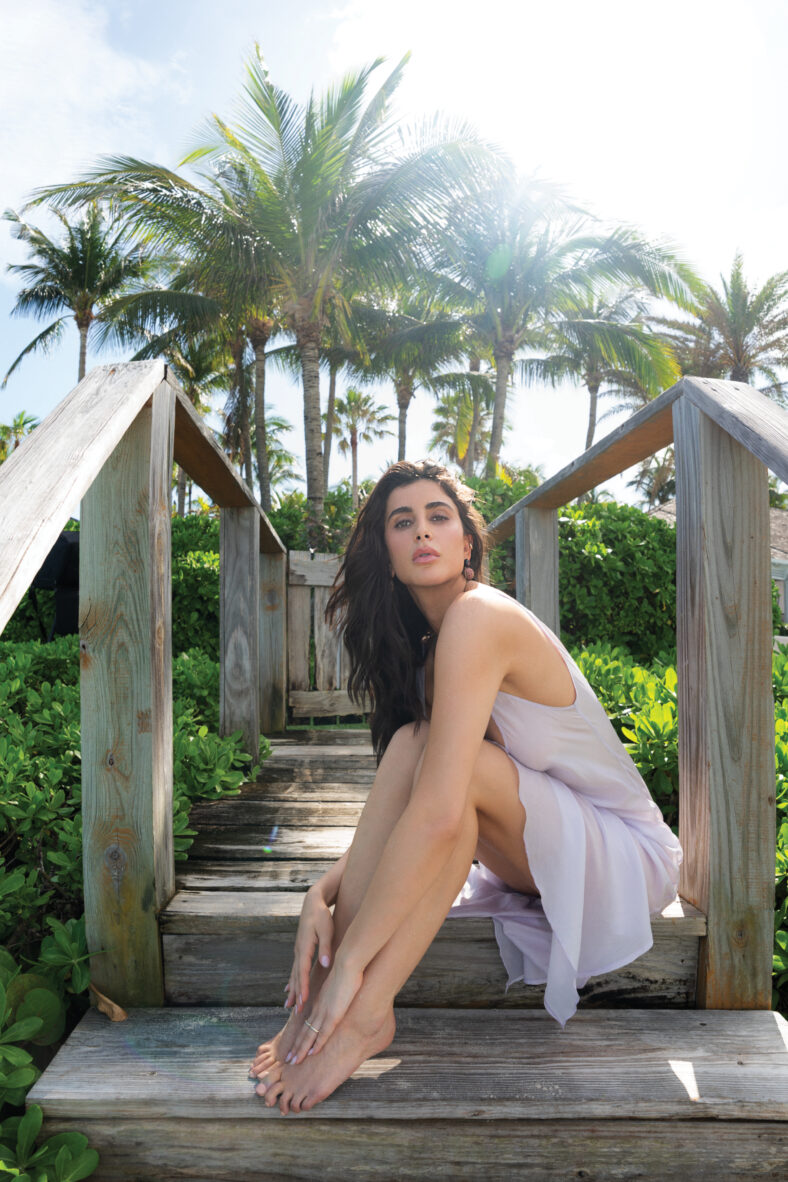
Growing up around ambition can shape how you set expectations for yourself. Which expectations have stayed with you, and which ones have you consciously released?
Growing up around ambition teaches you two very different lessons. The first is discipline. The expectation that you should build something meaningful with your life is one I’ve carried with me. That stayed. I’ve learned to try to live a life of significance. To be mission and purpose-centered and aligned with my authentic beliefs, principles, and values. Principles matter.
What I consciously released was the idea that achievement needs to come from pressure or comparison. Ambition is healthiest when it comes from inspiration rather than obligation. Inspired ambition inspires others to help those ambitions come to life. Inspiration is a team sport; ego-driven ambition is a one-player sport. I’d rather build with my aligned tribes. Now my expectations for myself are rooted in growth, integrity, and inspired, long-term vision rather than proving anything to anyone.
When you’re making important decisions, whether creative or strategic, what helps you stay clear-headed and grounded?
Clarity of vision. There’s a mantra I’ve always repeated to myself: visualize and realize. If you can clearly see the outcome you want to create, the decisions along the way become much easier. It becomes less about reacting to noise and more about aligning each step with the bigger picture. You see your future in the distance clearly and then reverse engineer a sequenced pathway toward its actualization. Roadmaps to your goals are like life’s GPS system—when the vision is clear, the path tends to reveal itself.
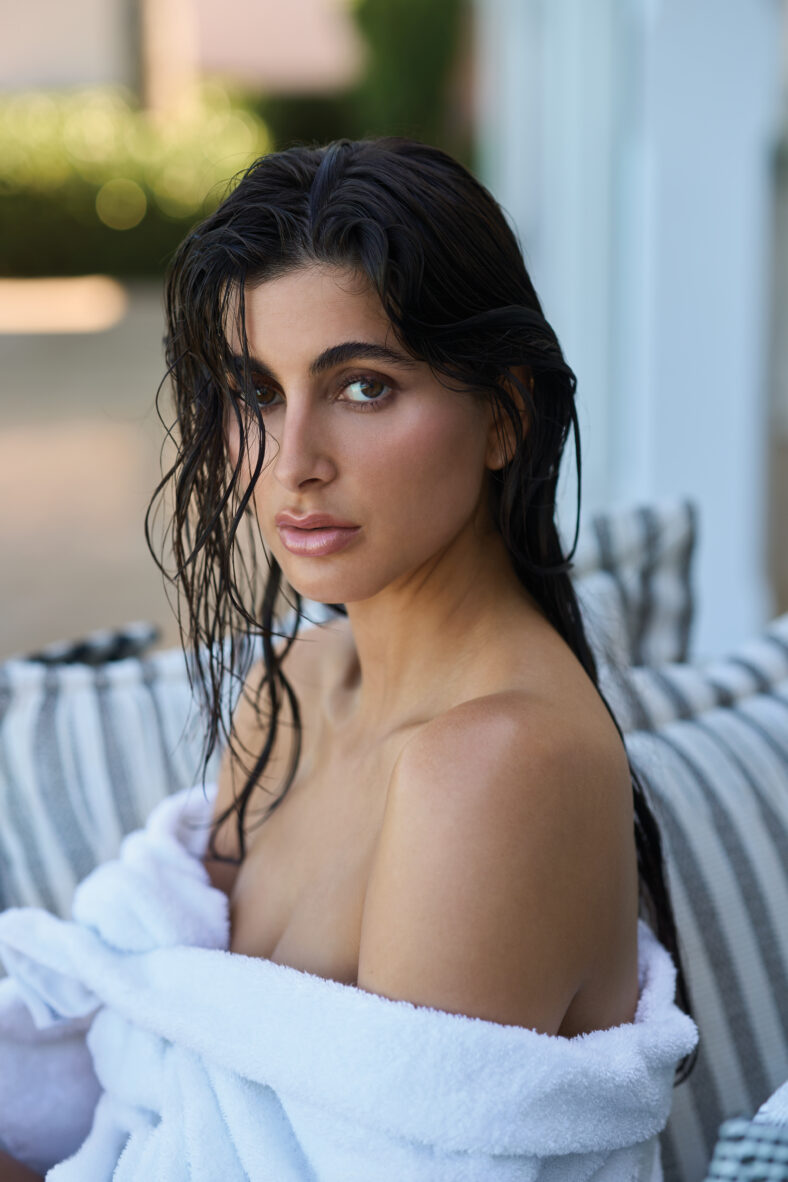
What does the idea of confidence mean to you now, and how has that changed over time?
I have always had confidence in some form, but my relationship with it has changed immensely over the years. My adolescence was difficult. My father and my stepmother, who had helped raise me since I was five, went through a painful divorce. She went back to Iran, and I didn’t see her for five years after spending every day with her growing up.
My father was also navigating his own personal journey and a major moment in his life. Silicon Valley was entering one of its most extraordinary periods of growth, and he threw himself deeply into his work. I do not blame him for that at all. He helped change the world. Without those efforts, I would not have the opportunities I have today.
We were all going through the journey God intended for us. Still, for the first time in my life, I felt lonely. At twelve, I developed depression before I even understood what the word meant. I remember struggling to get out of bed, food losing its taste, and activities I once loved feeling empty. The one thing that helped me rediscover confidence during that time was acting. I had been studying at Ivana Chubbuck’s acting studio in Los Angeles since I was eleven, flying down every weekend with my stepmother. After the divorce, I joined their intensive summer program and lived with one of the acting coaches, Yolanda Davis, training constantly for the final showcase. I was thirteen—the youngest student in the program—surrounded by girls who were fifteen to seventeen, but the work helped me reconnect with myself. Even if I was portraying another character, I felt strong again.
During the final performance I delivered an emotional monologue that reflected many of the feelings I was experiencing at the time. Afterward, an agent and a director approached me and offered me a role in a Warner Brothers film on the spot. Filming that project when I was fourteen was an incredibly proud moment for me. I realized what I could achieve when I focused my energy and committed myself fully. We shot the film in 2014, and I had just turned 14 at the end of it. Near the end of the production, I remember sitting in [Endeavor Talent Agency CEO and founding partner] Ari Emanuel’s office, discussing potential next steps with my agent. During the conversation I told them, “I think I need to be a kid right now and focus on myself. I have a feeling I am not ready to handle the pressure of this right now.”
They looked at each other and Ari said something I will never forget. He said it takes a great deal of wisdom to understand that at such a young age. So I chose to spend the rest of my teenage years simply growing up and discovering who I was. Confidence for me now is quieter. It is less about proving something to the world and more about understanding myself.
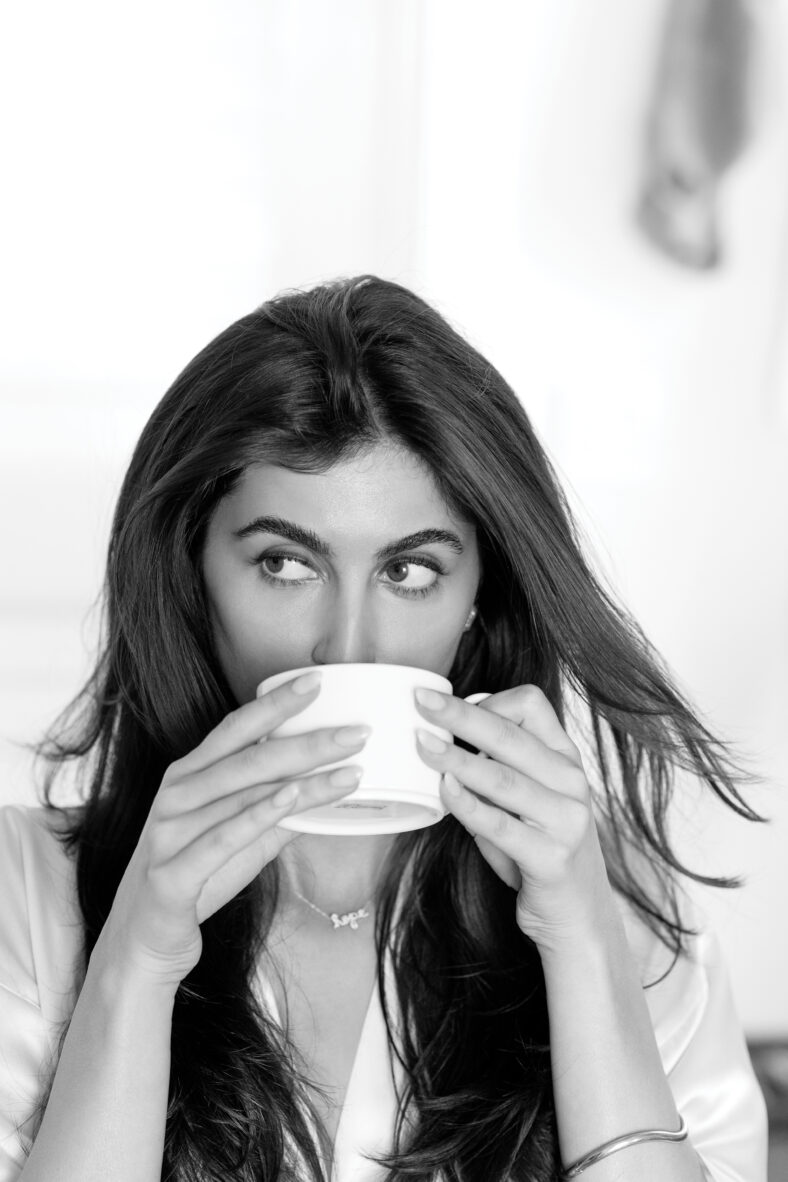
This Maxim cover captures you at a specific moment in your life. As you look ahead, what are you consciously working toward next?
Expansion. Exponential scaling of ideas. I’m continuing to build ventures around incubation, longevity, and intentional beauty while also exploring creative projects that allow me to express a deeper narrative about identity and self-development. This moment is exciting, but I see it more as a starting point than a destination.
You mentioned your childhood experiences in Iran. How have they shaped you as a person, and what do you carry from those lessons into today?
My connection to Iran is both cultural and emotional. It’s a place with extraordinary history, resilience, art, and intellectual depth. Being connected to that heritage reminds you that identity carries responsibility. My father was born there. My beloved grandmother, Eshrat, helped raise me and instilled our culture, our legends, and our values deeply in my heart, mind, and soul. She ascended in December 2024, and my life is dedicated to honoring her legacy. She fiercely fought to bring our family to America—especially for the next generation of women like my aunt, myself, and now my niece.
It also teaches you to appreciate freedom. When you understand the complexities of a society where many people are still fighting for basic rights, you don’t take those freedoms for granted. Our family has played an important role in the fight for freedom for the Iranian people. That perspective and mission stays with me every day.
As a woman with both European and Iranian heritage who grew up in the United States, how do you view the situation from your unique perspective?
Growing up between cultures teaches you to see complexity. I deeply appreciate Iran’s cultural legacy and the extraordinary intelligence and creativity of its people. At the same time, I believe societies evolve and that people deserve the freedom to shape their own future. From a global perspective, I think the Iranian people have enormous potential that deserves the chance to fully flourish. A free Iran will be the greatest peace and economic dividend in the world.
Do you believe change is warranted? What do you envision for a post-Islamic-regime Iran?
I believe the Iranian people deserve the opportunity to determine their own future. Iran has one of the richest cultural histories in the world, an incredibly educated and talented population, and a diaspora that has achieved remarkable things globally. We support Crown Prince Reza Pahlavi’s efforts to lead a transition process and let the Iranian people determine what form of democracy they choose for their future.
A future Iran that embraces freedom, innovation, cultural pride, and international collaboration could become a powerful force for creativity and progress again. The Iranian people’s spirit and resilience have always been extraordinary. I believe that spirit will ultimately shape the country’s future and the world.
This article originally appeared in the Spring 2026 issue of Maxim magazine.