

There was a time—not too long ago—when bitter-based beverages were a rarity on American cocktail menus,” notes Decanter magazine. “The Select Spritz, Aperol Spritz and Negroni craze initially changed that. Then U.S. consumers began experimenting with bittersweet flavor profiles that acted as a gateway to gradual appreciation of the botanical and herbal profile of amaro,” the iconic bittersweet Italian herbal liqueur. Once a simple digestif, related to postprandial sipping, it has now become a cocktail phenomenon reshaping modern mixology.

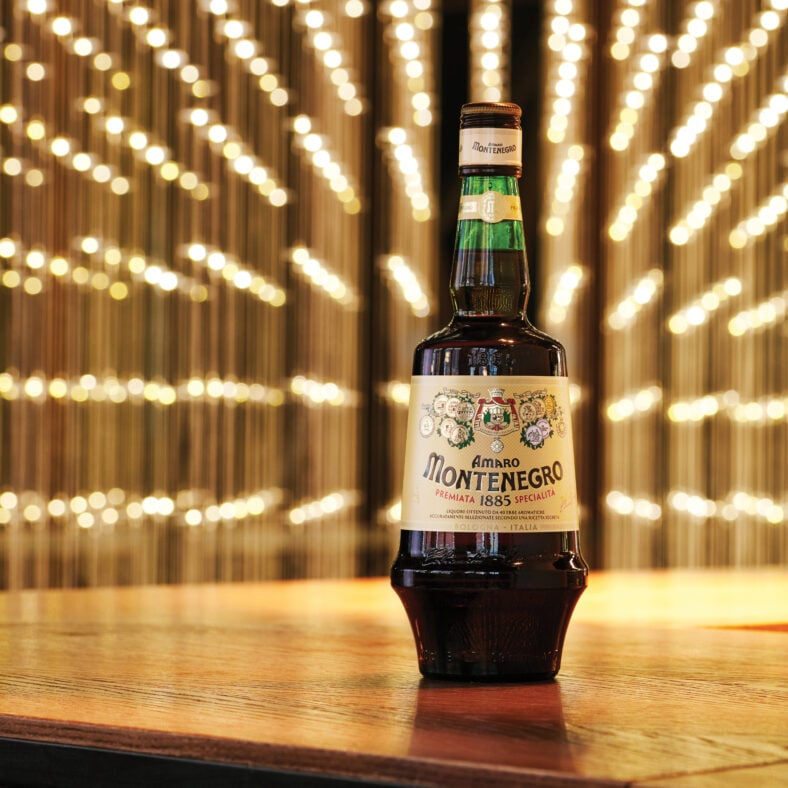
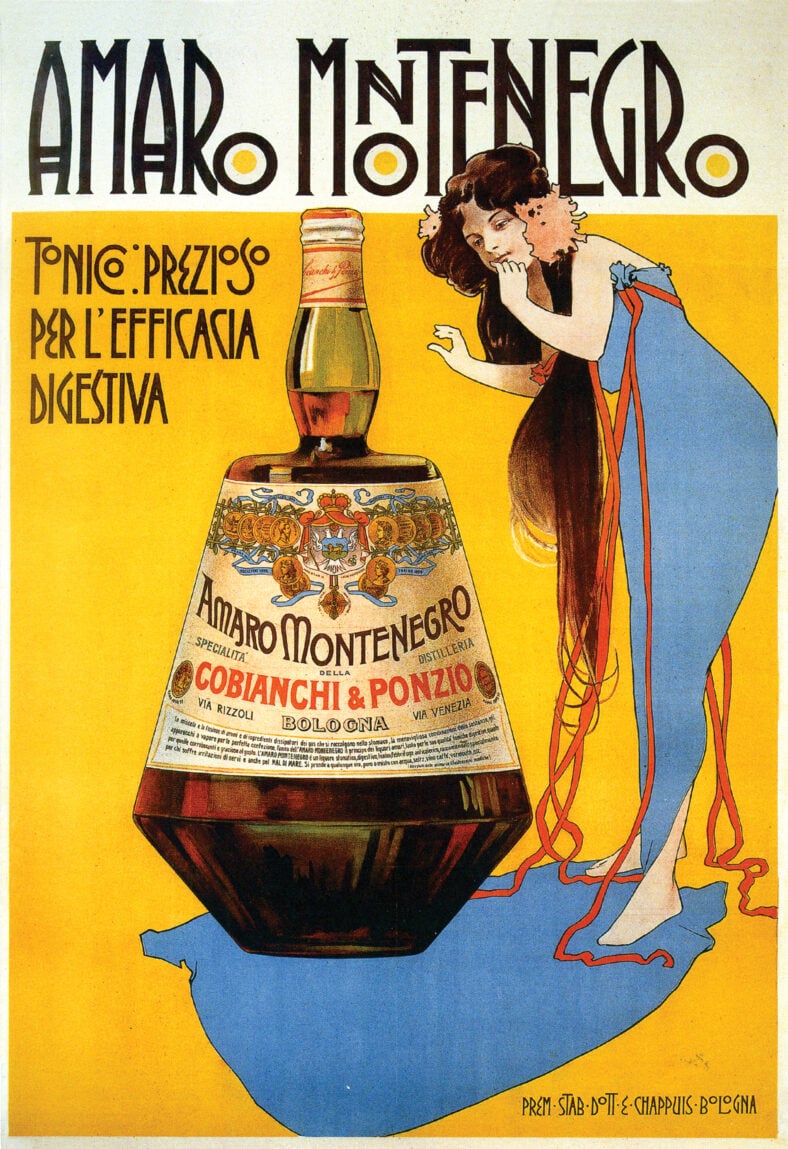
This is quite a departure from the spirit’s antiquated origins. Over 140 years ago, one of the best-loved examples, Amaro Montenegro, was created by Stanislao Cobianchi of Bologna, a distiller, herbalist, and alchemist who traveled the world collecting botanicals. To show just how far it has come, Amaro Montenegro recently hosted a competition in which bartenders from around the world presented “cocktails of the future” that will be consumed 140 years from now, with amaro as a key ingredient—as well as futuristic elements, such as those derived from insects. It was a huge hit.

As amaro continues on its journey, its evolution represents a fundamental shift in American palates. As Ashley Luna, director of food and beverage at Farmhouse Inn in Sonoma, California, explained to Decanter, “Amaros have benefited greatly from people wanting to branch out and discover more niche spirits.” Their first appearance on cocktail menus came after requests from drinkers “for lighter, brighter amaros in spritzes,” she says, which turned out to be just a starting point.


(Amaro Montenegro)
“Lately, thanks to the growing number of amaro-crazed mixologists and sommeliers, I’m not alone in my passion for the bittersweet Italian digestif,” notes Ray Isle of Food & Wine. “In a way, it’s a little annoying, like when your favorite under-the-radar restaurant gets discovered. But I can’t really object to all these amaro arrivistes. I even envy them: They’ve got a lot to discover…. It’s silky, like a liqueur; bitter and sweet in varying degrees; aromatically complex; and, as far as I’m concerned, both delicious and fascinating. [Every] amaro is different, and there are literally hundreds.”

Amaro Montenegro, produced by the historic Gruppo Montenegro outside Bologna, is particularly well-suited to experimentation as it is one of the lightest amari, with distinctive orange and rosewater notes. Its secret recipe incorporates 35 botanicals that are boiled, macerated, and distilled through a meticulous process that exemplifies the amaro category’s artisanal nature. As Rome-based food and beverage writer, culinary guide, and cookbook author Katie Parla puts it, more than any other of its kind, Amaro Montenegro “signifies the flavor profile of Emilia- Romagna”—Italy’s “Food Valley,” where it is made, “and I treasure it,” as do epicures around the world.

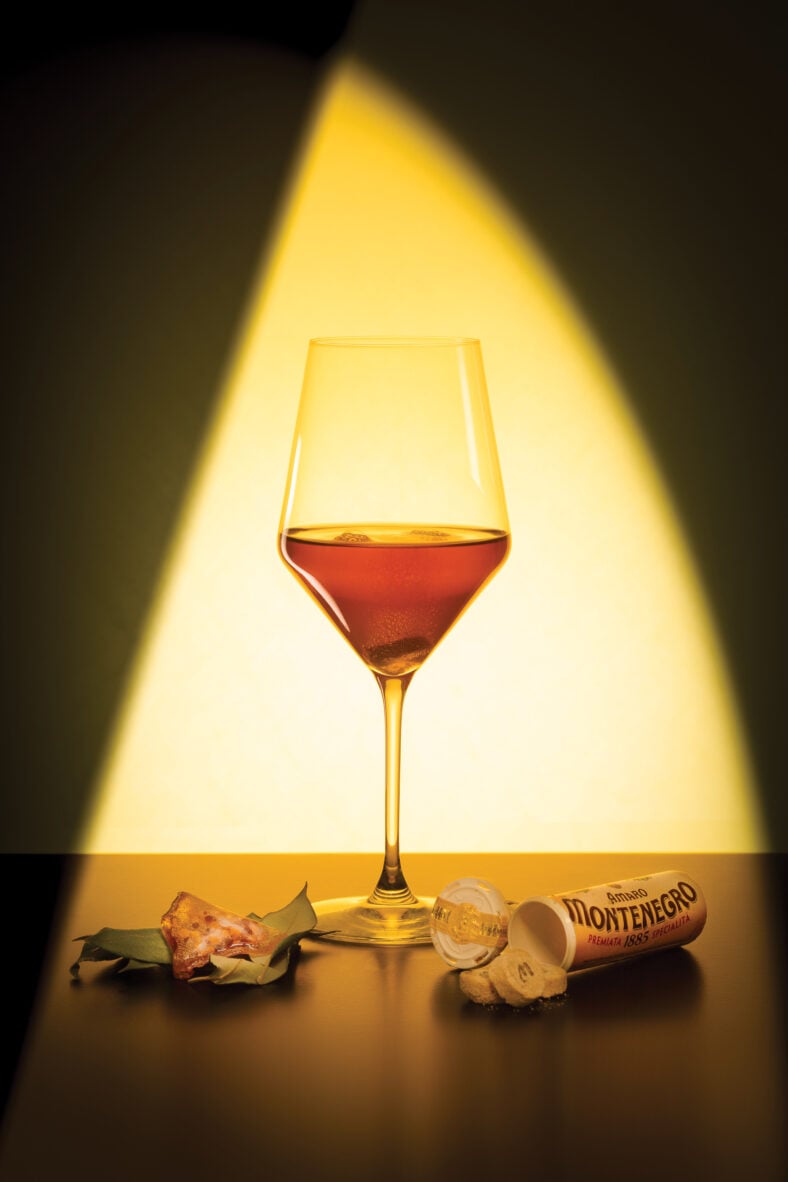
complex. (Amaro Montenegro)
Food & Wine reported that at Los Angeles’s Sotto, a beloved Italian restaurant known for its extensive mixology program, head bartender Julian Cox had been overseeing a list of nearly 20 amari, “something that would’ve been impossible five years ago—unless you smuggled the bottles in a suitcase,” as he observed. One of his signature drinks was an amaro daiquiri, combining rum, lime juice, Averna, and allspice.


Sotto has sadly since shut its doors, but the amaro revolution lives on in equally lively spots around the country, including the stylish Via Vecchia in Portland, Maine, which has a dedicated amaro display on its bar; Amor y Amargo in New York City, which is nothing short of a temple to the likes of Amaro Montenegro and its brethren; and the newly opened amaro-centric Bar Brucato in San Francisco, which “celebrates the bitter and the sweet.”

“Our palates have evolved to appreciate bitter flavors, thanks to our love of coffee, dark chocolate, and bitter greens,” as Jamie Hunt, founder of Seattle-based Fast Penny Spirits, explained to Decanter. “At the same time, craft cocktail culture has taken off, with bartenders showcasing amaro’s versatility—whether as a standalone sipper, a cocktail ingredient, or a lower-alcohol option. Plus, people are seeking out higher-quality, better-made spirits with authentic stories and rich traditions.”
This shift has created new collecting patterns among spirits enthusiasts. The co-founders of Forthave Spirits, a distillery in Brooklyn, tell the magazine that customers across the country have even started collecting bottles of amaro over the more traditional bourbon and Scotch whisky, including their Marseille Amaro featuring cinnamon, eucalyptus, and honey notes, and their Mithradates Amaro with notes of figs, cardamom, cedar, and mace.

One recent news report stated that Google searches for amaro have surged 143 percent over the past five years, while imports of brands such as Amaro Montenegro, Campari and Fernet-Branca have grown by double digits. A new wave of American-made amari, including Forthave’s offerings as well as Faccia Brutto, The Pathfinder, and St. Agrestis, has fueled interest and created new converts, while the gold standards are put to ever more inventive use.
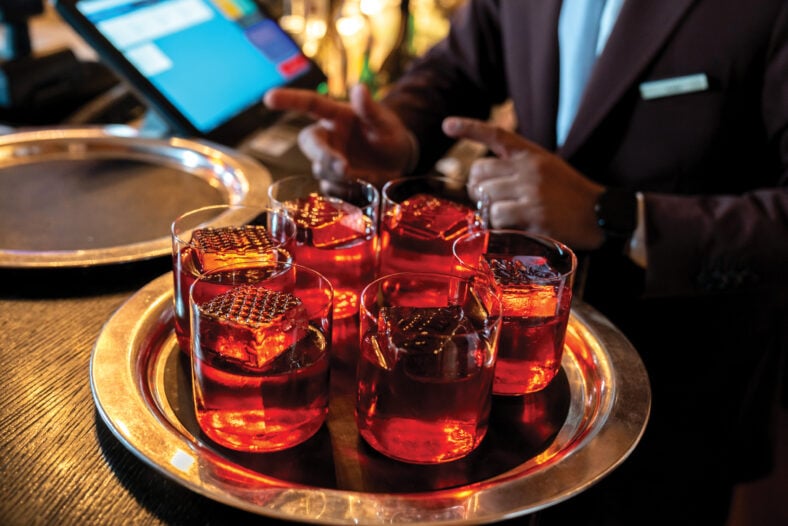
So it’s no surprise that Garden & Gun magazine even recently declared that the cocktail of the season was the “Colorado Cool-Aid,” a mixture of bourbon, Amaro Montenegro, fresh lemon juice, dark sugar syrup, and beer served in a frosted mug. Bottoms up.
This article originally appeared in Maxim’s Winter 2025 issue.