
It may still be early December, but several parts of the US have already had snow. As a North Carolina resident, I think snow is nice if you don’t have anywhere to go. I’d prefer it snow during the holidays because I love the way Christmas lights glow in the snow. I also appreciate it much more since moving here than when I lived in New York. Everything here just shuts down when there’s snow whereas up north, I spent many days trying to dig my car out.
I’m happy to no longer have to shovel snow regularly. In my youth, I treated it like cardio. Speaking of, USA Today did a lengthy piece about the physical demands of snow shoveling, especially the cardiovascular strain it can have on some people. According to a doctor who volunteers for the American Heart Association, shoveling snow “may be as or even more demanding on the heart than taking a treadmill stress test.” So, they put together some information about cardio health, how to avoid injury, and at what age it becomes too physically demanding to shovel snow.
How old is too old to shovel snow?
Experts have not pinned down an exact age for when it’s best to retire from snow shoveling, and recommendations they do have can vary widely. Dr. John Osborne, AHA volunteer, said adults 65 and older should be “more wary” of snow shoveling and individuals with risk factors for heart disease, such as tobacco use, diabetes, obesity, hypertension or high cholesterol should be extra mindful. Osborne pointed to a recently published study in Annals of Internal Medicine, which found that cold-related deaths are roughly double the rate of heat-related cardiovascular events (65% to 35%), especially in male patients above 65.On the other hand, Dr. Barry Franklin previously advised a younger age cut-off. He has said that anyone over age 45 should avoid the task. This recommendation is backed by a 2001 study, which found that about 85% of adults over the age of 50 already experience atherosclerosis, which can lead to coronary artery disease.
How does snow shoveling strain the heart?
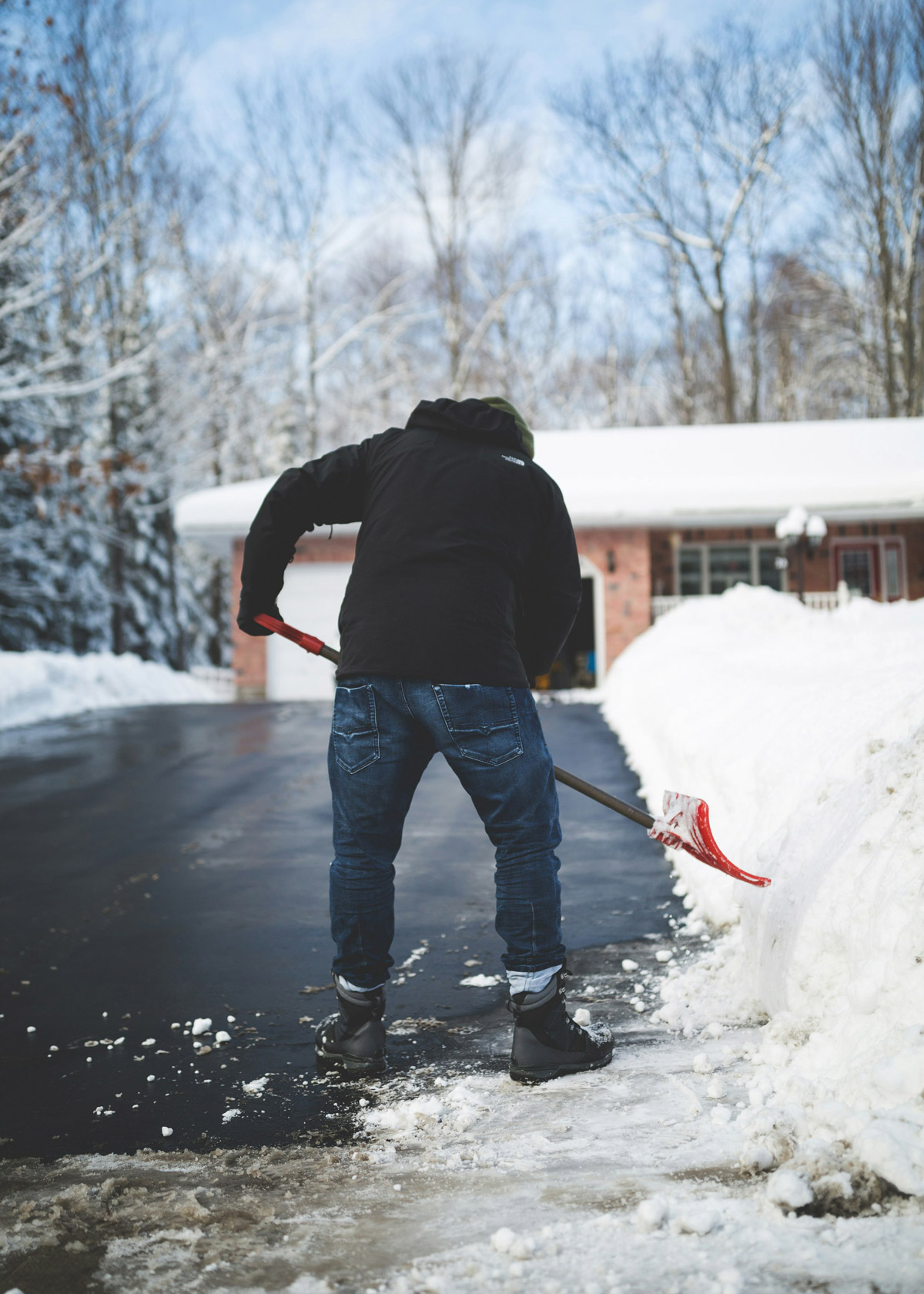
There are five main stressors on the heart when shoveling snow, Franklin said in an AHA news release:Snow shoveling involves mostly isometric or static exertion that causes the contraction of muscles without any movement in the surrounding joints. Shoveling snow requires arm work, which is more taxing on the heart than leg work. Strained body while lifting heavy loads, during which most people unknowingly hold their breath, increases heart rate and blood pressure. Legs not being in motion or frequent motion can lead to pooling of blood in the lower part of the body, which means it is not getting back to the heart for oxygenation. Cold air can constrict blood vessels, disproportionately raising blood pressure and constricting coronary arteries. How to reduce injury while snow shoveling:
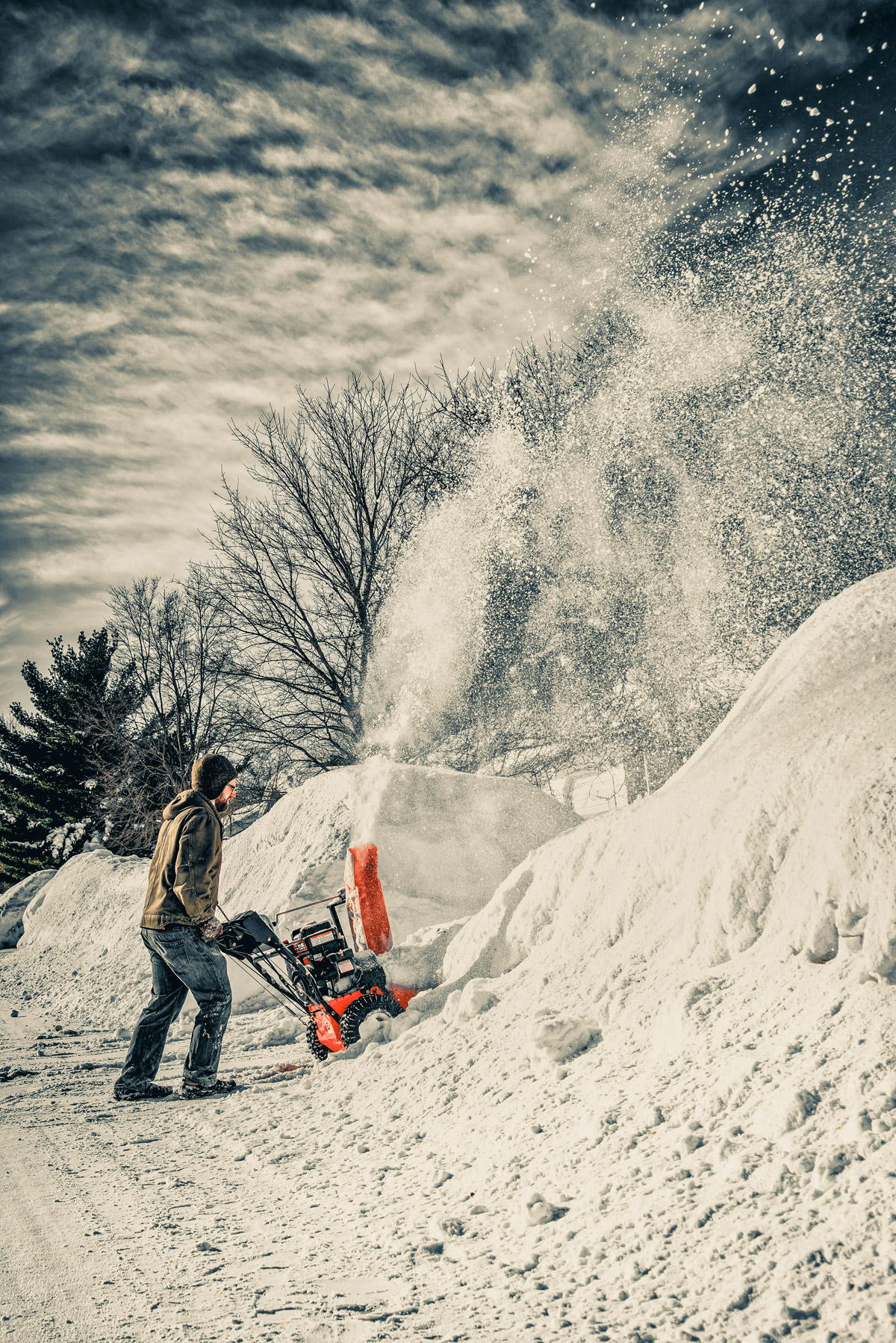
Perhaps the most obvious way to avoid injury during the winter is to have someone else do the yardwork for you. However, if that’s not possible, Franklin advised the following, per an AHA news release:Start gradually and pace yourself. Cover your mouth and nose and wear layered clothing, including a hat and gloves. Push or sweep the snow rather than lifting and throwing it. Be careful when the wind is blowing. The wind makes the temperature feel colder than it is and increases the effects of the cold on your body. Franklin also recommended using a snow blower instead of a shovel. Using a snow blower raises the heart rate to roughly 120 beats per minute, compared to a heart rate of about 170 while shoveling, he said.
How to reduce injury while snow blowing:
Have access to a snow blower? The U.S. Consumer Product Safety Commission recommends the following safety tips for avoiding injury:If debris or wet snow gets stuck in the machine, stop the machine completely before removing. Keep hands and feet away from moving parts. Don’t leave the machine running in an enclosed area. Add fuel to the tank outdoors before starting the machine. Don’t add gasoline to a running or hot machine. If using an electric snow blower, be mindful of the power cord’s location.
The sections on reducing the chance of injury while shoveling or blowing snow are pretty helpful. I’ve never used a snow blower before, so I can’t speak to whether or not they’re easier to use, but they’re doing most of the work, so it makes sense that they wouldn’t cause your heart rate to raise as much as shoveling it yourself. I appreciate that USA Today put this together, though. I think ahe same rules apply as with any other physically strenuous activity. Listen to your body and take breaks if you need to. Don’t push yourself out of pride or whatever. Also, if you’re able-bodied and have time to spare, offer to help an older neighbor shovel snow. It’s easy to feel trapped if you don’t have the option to leave the house. Plus, I’m sure they’d really appreciate the helping hand.

Photos credit: Nataliya Vaitkevich on Pexels, Flip Mroz and Todd Trapani on Unsplash