I wondered if Hugo Vickers’ new biography of Queen Elizabeth II was going to end up being almost entirely about the Duke and Duchess of Sussex. Judging from the first round of excerpts, Vickers understands that stories about Harry & Meghan are the most “newsworthy” and should be released first (something all royal biographers have learned in the past seven years). But Vickers did include a sh-t ton of reimagined royal history about King Charles, Camilla and Diana as well. In a newly-released excerpt, Vickers argues that Diana cheated on Charles before he cheated on her (my god), and he basically blames Diana for everything that went wrong from 1980 through 1997. I wanted to pull this section about what happened after Diana died in Paris in 1997:
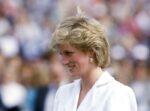
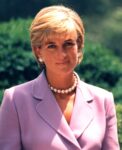
In August 1997, Diana had further holidays with Dodi in Sardinia and finally Paris, where she died in a car crash. Back home, there was an unleashing of grief – like a frenzied scene from the film Zorba the Greek.
While the media clamoured for the Queen to return to London, she sensibly prolonged her stay in Balmoral to give comfort and strength to her grandchildren.
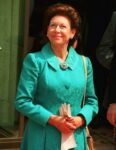
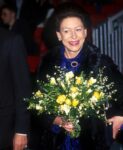
Princess Margaret seemed to suggest Harry had bottled everything up. She told me later: ‘We tried to get him to break down but he just wouldn’t.’
For years afterwards, there were conspiracy theories about Diana’s death, the worst being Fayed’s claim that she had been murdered, possibly on the orders of the Duke of Edinburgh. In a far-ranging conversation with Prince Philip in Hampshire in the summer of 2000, he told me that he considered Mohamed Fayed ‘a creep’.
As the Royal Family tried to come to terms with Diana’s death, it was to some extent business as usual. The Queen had horses due to race that week. When Sir Michael Oswald, her National Hunt racing adviser, rang her to say that he did not think it appropriate to run them, she said: ‘Oh, do you think so?’ (In fact, he had already withdrawn them.)
Patrick Mitchell, Dean of Windsor, went up to Balmoral. He said: ‘There were barbecues and long walks and Prince Harry particularly liked driving the Discovery.’
At Birkhall, the Queen Mother refused to allow the television to be on the whole week. Anyone who wanted to see the news had to sneak down to the servants’ quarters.
Speaking of Diana’s death, Princess Margaret was heard to comment: ‘Well, that sorts it out, then.’ Concerted efforts were made to ensure she did not go out and express that view more widely.
Intense media pressure forced the Queen to come down to London a day earlier than planned. As the plane touched down, Princess Margaret was in tears. ‘I can’t bear Lilibet having to go through this,’ she said.
‘We were a day late,’ Lord Charteris conceded. My conversation with him proved interesting. I said of the Princess of Wales: ‘She had a good heart.’
‘Really?’ he replied. ‘You surprise me.’ His verdict was: ‘She wanted to destroy the monarchy and she damn nearly succeeded.’
Diana’s funeral in Westminster Abbey had contributions from Elton John, and a well-crafted, though ultimately divisive, address from Lord Spencer. The crowds outside clapped the speech. As one in the Abbey put it, it was like Robespierre riding up the aisle on his horse.
“A well-crafted, though ultimately divisive, address from Lord Spencer…” The Earl of Spencer’s tribute to his sister was only seen as “divisive” by the Windsors. Literally everyone else cheered for him and agreed with him. “Princess Margaret was heard to comment: ‘Well, that sorts it out, then.’” Gee, I wonder why there’s been a 29-year conspiracy about the Windsors ordering Diana’s death? I guarantee that Vickers believes that he’s framing Diana’s death as ultimately her own fault and that the Windsors’ biggest crime was bungling their reaction to it. But that’s not how it comes across at all.
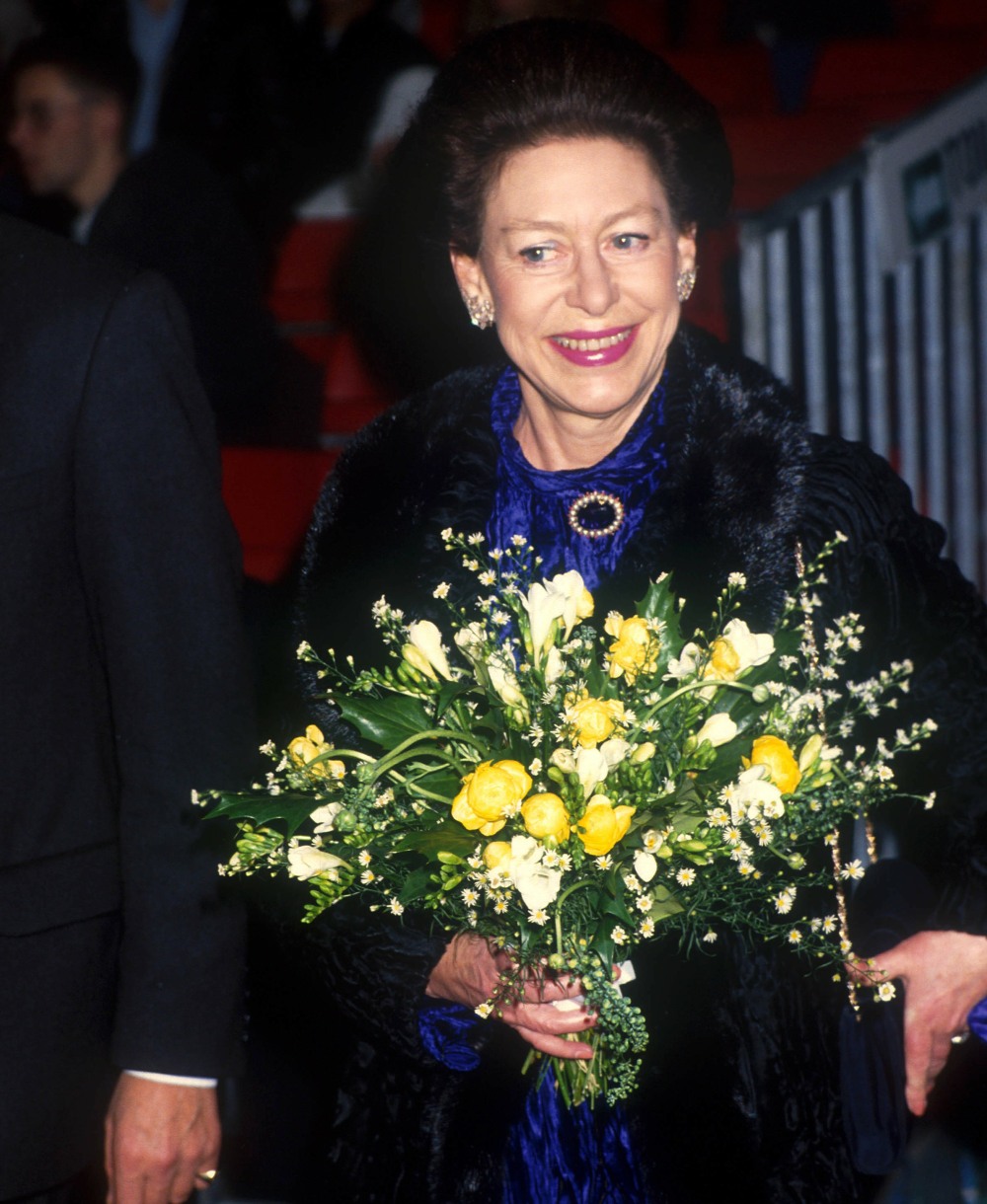
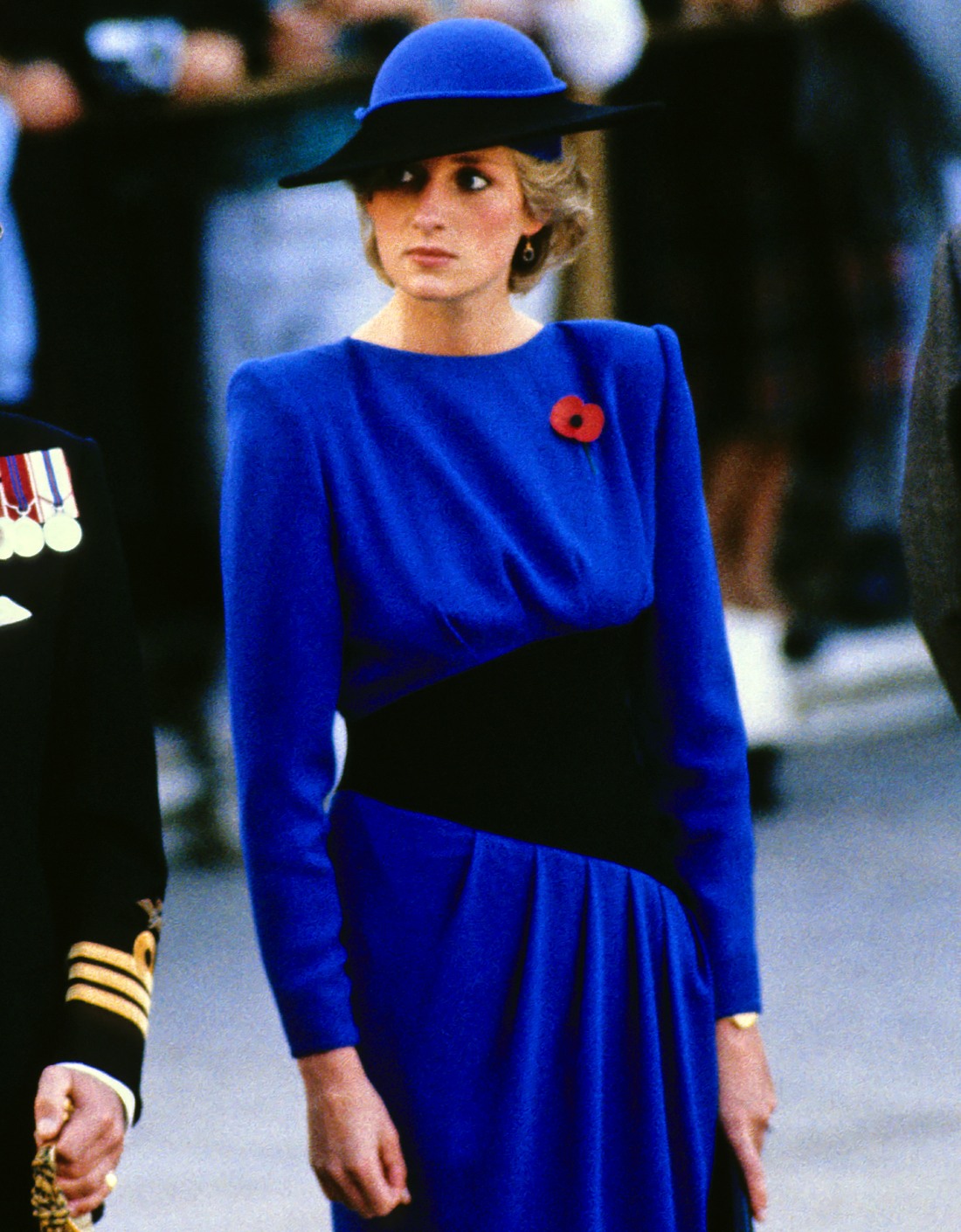
Photos courtesy of Avalon Red, Cover Images.