Reading Time: 2 minutes
King Charles is attempting to modernize the monarchy.
And that means reminding the peasants that in many ways, he’s just like them:
He puts his pants on one leg at a time, he only gets along with half his kids, and he even pays taxes.
Of course, Charles is the ultimate nepo baby, and his lifestyle is also funded by UK taxpayers, so the situation is slightly different.
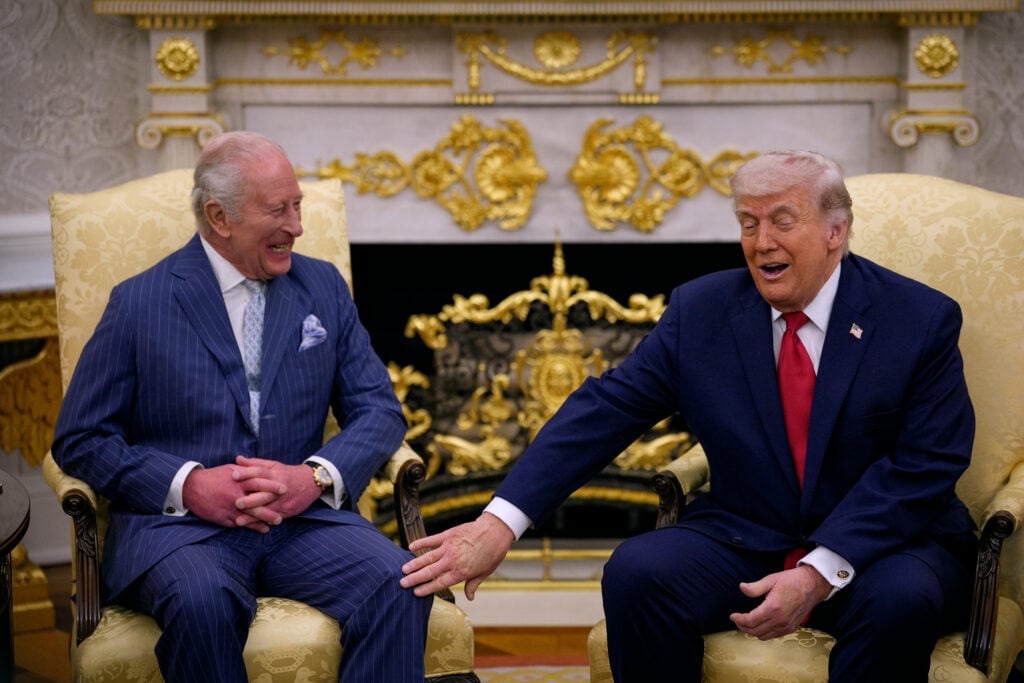
Anyway, KC3 is about to make history by becoming the first British monarch to publicly disclose his personal tax bill, a move that will offer an unprecedented look at the royal family’s finances.
The disclosure is expected to shed new light on questions many royal watchers have long wondered about:
How rich is this guy, and how exactly does he make his money?
One of the king’s primary sources of income is the Duchy of Lancaster, a vast portfolio of land, property and investments that provides income to the reigning monarch.
According to Newsweek, the estate generated roughly £24 million in annual revenue last year, making it one of Charles’ most significant sources of personal wealth.
The income from the duchy is paid directly to the monarch and helps cover both official royal expenses and certain private costs.
Charles also derives income from privately owned royal properties, including the famed Sandringham Estate and Balmoral Castle.
Unlike many royal residences, these properties are privately owned by the monarch rather than held in trust for the Crown, allowing the king to benefit from revenue generated by the estates.
In addition, Charles maintains personal investments and inherited wealth that contribute to his overall financial picture.
The royal family also receives public funding through the Sovereign Grant, which supports official duties, staffing, travel, and the maintenance of royal residences.
That funding is separate from Charles’ personal income and is derived from profits generated by the Crown Estate.
The arrangement has long sparked debate in the United Kingdom, with critics questioning the cost of the monarchy and supporters arguing that the institution provides significant cultural and economic value.
Now, technically, Charles doesn’t have to pay taxes.
By law, the monarch is exempt from income tax, capital gains tax, and inheritance tax in most circumstances. However, members of the royal family have voluntarily paid certain taxes for decades.
Charles began voluntarily paying income tax while he was still Prince of Wales, and Buckingham Palace says he continues to do so as king.
That’s part of what makes this upcoming disclosure so significant.
For the first time, the public will learn exactly how much tax Charles paid on income from sources such as the Duchy of Lancaster, private investments, and other personal holdings.
And why we won’t get a full sense of the king’s holdings, this might be our best glimpse yet into the financial lives of the royals. Prepare to be shocked.
King Charles Becomes First Royal to Disclose Taxes: Just How Rich Is He? was originally published on The Hollywood Gossip.