I was born in Humboldt Park and spent several memorable years of my childhood there. But in the early 2000s, Chicago looked different. My dad, who’d survived complicated family dynamics and chaos in Puerto Rico, New York City and finally Chicago, was ready for a change.
We ended up in rural Illinois. But in the (back-then) naughts of Oswego, finding food made by our own people was impossible. And my mom wasn’t going to spend hours in the kitchen making pasteles and alcapurria when she had to commute for her job in Downtown Chicago. We kept making trips back to reliable places such as Papa’s Cache Saboroso or Nellie’s Restaurant on Division Street, or Paseo Boricua. In high school, gourmet Caribbean staples like chef Yari Vargas’ Casa Yari popped up in the city. Restaurants like hers made me want to move back for college.
Whenever my dad would check on me between classes, he’d ask if I’d eaten. The answer was almost always no. We’d often try a new restaurant or cuisine, but some of my favorite meals were at Puerto Rican restaurants helmed by authentic, independent chefs and their families.
Now, in my job as a reporter, I’m often asked by colleagues, sources, friends and acquaintances for my picks. Though we couldn’t cover everything, these six old-school and new-school restaurants are worth visiting for anyone whose knowledge of Puerto Rican food is limited to the jibarito.
Borinquen, 3811 N. Western Ave.
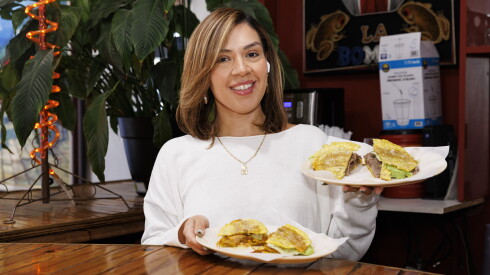
My editor and colleague Dorothy Hernandez, photographer Anthony Vazquez and I stopped at Borinquen in Roscoe Village for lunch on a recent weekday. The original restaurant was in Humboldt Park at 1720 N. California Ave., and it is where the famous jibarito was “invented” by the original owner, Juan “Peter” Figueroa. Today, his niece Gaby Figueroa helps run the new eatery with her father. That day, she greeted us at the counter. “Plantain sandwiches are not a new thing,” she told us. And she’s right: using flattened and fried plantains to replace sandwich bread is nothing new on the island. But in 1996, at Borinquen’s original location, the jibarito became a Chicago original after Peter put an American spin to it by adding steak, tomato, mayo, cheese and garlic, joining the ranks of classic Chicago foods like Italian beef and tavern-style pizza.
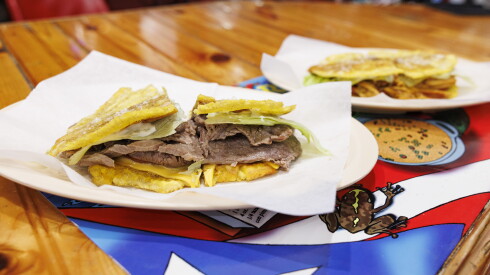
We tried: Lechón jibarito, with lettuce, tomato and American cheese
Must try: Borinquen’s signature hot sauce is Gaby’s mother’s original recipe. The bottles, labeled “Salsa Jíbara,” are $10 plus tax at the restaurant, but you can always restock at Armitage Produce at 3334 W. Armitage Ave.
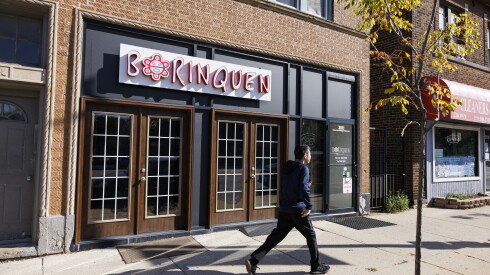
La Bruquena, 2726 W. Division St.
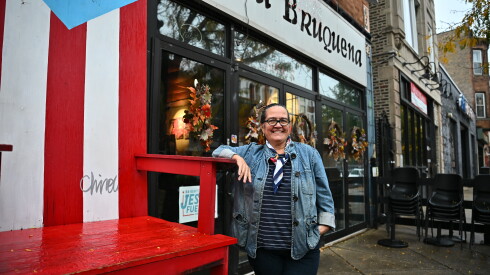
This building’s history goes back to a time when most, if not all, of the businesses and restaurants on Division Street were owned by Polish and German families. Today, matriarch Zoraida Rivera, wife of owner Roberto Tañon, helps keep day-to-day operations running smoothly. The best time to eat at La Bruquena is on a Friday or Saturday night, when the restaurant hosts live Latin music, including salsa and bomba. Here, Rivera gave us a lesson on pique. Puerto Rican cuisine is not typically spicy. But some people (myself and Dorothy included) like to kick things up a notch. The uniquely Puerto Rican pique is a spicy vinegar-based sauce typically infused with hot ají or chile peppers, herbs and garlic. At La Bruquena, Rivera makes her own in a large, repurposed bottle of rum that travels from table to table.
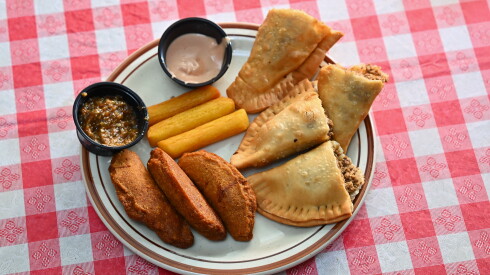
We tried: The frituras (fried foods) platter that included alcapurrias, beef-stuffed balls of plantain dough — one of my favorites growing up.
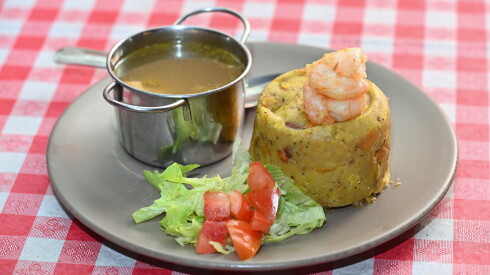
Must try: Mofongo stuffed with shrimp and served with chicken broth
Casa Yari, 2743 W. Division St.
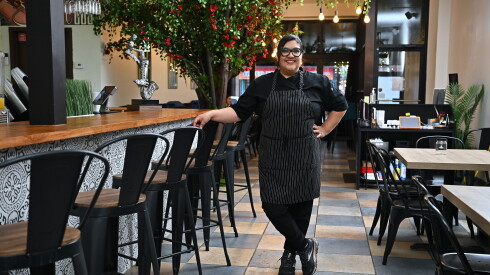
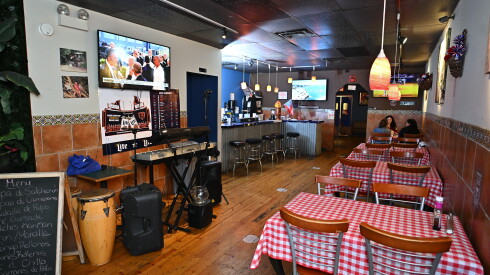
If I’m trying to impress my vegan and vegetarian friends with authentic Caribbean food, I will suggest Casa Yari. While this place is a recent addition to Paseo Boricua, chef and owner Yari Vargas has deep ties to Chicago’s Puerto Rican community. After more than a decade at her Logan Square eatery on Fullerton Avenue, Vargas was forced to close her restaurant after the landlord sold the building last spring. But in February, she ended up on Division Street in the former space of Latin American Restaurant, one of the block’s first Latin restaurants. Patrons fill the restaurant nightly, craving Vargas’ nostalgia-fueled and upscale dishes based on recipes from her childhood in Chicago with a Puerto Rican mother and Honduran father. Casa Yari is also BYOB, so head across the street to Yauco Liquors for some premium rum to pair with your nonalcoholic passion fruit Moscow Mule or coconut mojito.
We tried: Yari’s famous pastelón, which includes sun-dried tomato jam and picadillo, or ground beef seasoned with tomato and onion. The entree is a take on a popular sweet-and-savory layered plantain dish from Puerto Rico, sort of like a lasagna.
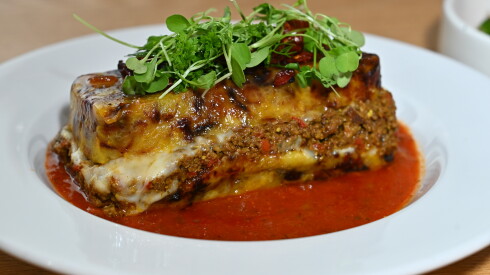
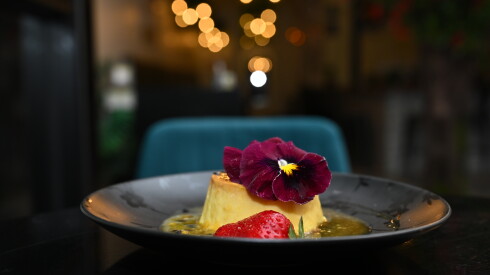
Must try: Dorothy and I both loved the passion fruit flan because it was perfectly creamy, light and refreshing. An honorable mention goes to Vargas’ Honduran Garifuna machuca recipe, which had a rich coconut soup base with seré fish and soft mounds of doughy plantain.
Jibaritos on Harlem, 3317 N. Harlem Ave.
I live with the “proximity to O’Hare Airport curse,” so I often pick up or meet with family or friends flying in from Florida, New York or Puerto Rico. If everyone wants to try or re-experience Chicago Puerto Rican food, I typically suggest Jibaritos on Harlem because the drive isn’t too long and the dishes taste like they’re from my Ñaña’s kitchen. Besides solid dishes like mofongo, bistec encebollado and (of course) the jibarito, this spot also has a great brunch menu with Puerto Rican-inspired dishes such as guava pancakes, tostón toast — think avocado toast — and the jibarito breakfast burger. This is also a great place to add to your chinchorreo lineup. (That is, a night of bar hopping and eating with your best buds, great music and endless Medalla Lights.) Order the Tour de PR, which includes carne frita (fried pork), blood sausage, codfish fritters and more.
(For dessert, you can head next door for coconut ice cream from Bella’s Helado De Coco & Italian Ice, another Puerto Rican-owned business on the block.)
Must try: Arroz con gandules, or Puerto Rican rice with pigeon peas, and the alcapurria with Jibaritos on Harlem’s house hot sauce.
Marina’s Bistro and Rum Bar, 4554 N. Magnolia
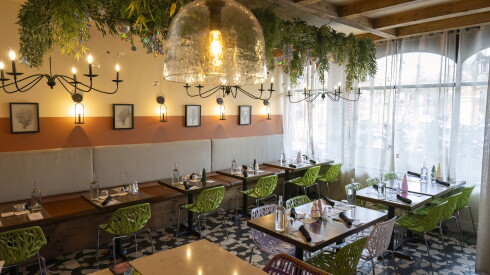
Chef Eric Roldán’s restaurant is named after his late mother, Marina. I’ve been here numerous times and always left feeling very impressed, full and happy. This place is getting ready to open the first Puerto Rican supper club in the U.S., according to Roldán. The concept will move right next to the historic Green Mill at 4804 N. Broadway in Uptown. Chef Roldán has an item I have never seen on any Puerto Rican restaurant menu before: gandul hummus. At Marina’s, pigeon peas (gandules) are transformed into a creamy dip served with plantain chips. That creativity, especially from a chef who has lived and worked in Puerto Rico’s fine dining scene, makes it worthy of a whole-evening dinner experience. He made history in 2025 as the first and only Puerto Rican to ever participate in the city-sponsored culinary event Chicago Gourmet. The Magnolia Avenue restaurant is open through December to make way for the supper club next year.
Must try: ‘Tis the season for coquito. Lechón asado, juicy, slow-roasted pork marinated in garlic and citrus. The braised beef short rib with yucca mash is also worth trying
Papa’s Cache Sabroso, 2517 W. Division St.
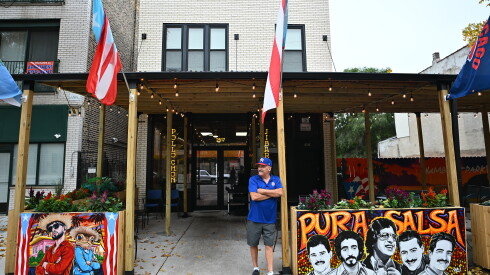
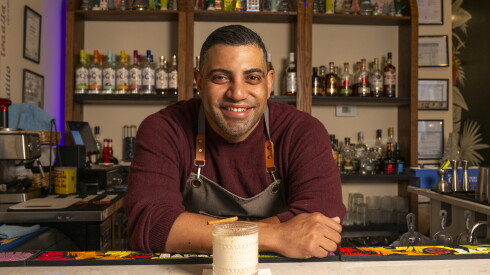
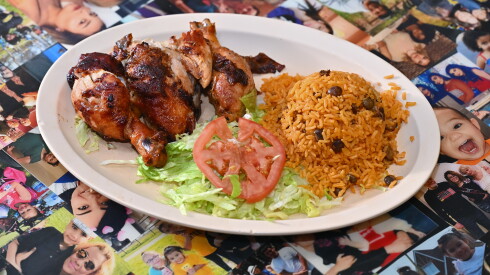
Stepping into Papa’s feels like a trip back in time. The tabletops are covered with collages of family photos from different eras of owner Victor García’s family and life in Chicago. One wall features autographs from famous Puerto Ricans who’ve dined at the restaurant over the years, like actor Luis Gúzman or Liza Colón-Zayas, best known as Tina on FX’s “The Bear.” Even Guy Fieri has co-signed on this iconic spot. Opened in 2002, this generational family-run restaurant is best known for its “pollochón,” or rotisserie-style chicken marinated in a house adobo or sazón reminiscent of Puerto Rican lechón, or slow-roasted pork. García said his recipe is his late brother’s, and while it’s a treasured family secret, it includes the basics of a good adobo: herbs, garlic and achiote. The cozy dining room is a welcome wintertime escape, but its large outdoor patio is perfect for summer afternoons soaking up the Division Street scene.
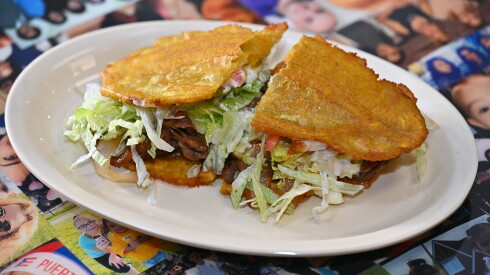
We tried: The rib-eye steak jibarito with arroz con gandules. It’s not my personal favorite jibarito in the city, but it’s still a very good jibarito.
Must try: If you’re alone, get the two- or three-piece bone-in pollochón platter with arroz con gandules or white rice and pink beans. The “cena familiar,” or family dinner, comes with eight pieces and two large sides. For $37.49, it blows Popeye’s and Pollo Campero right out of the water.
Contributing: Dorothy Hernandez