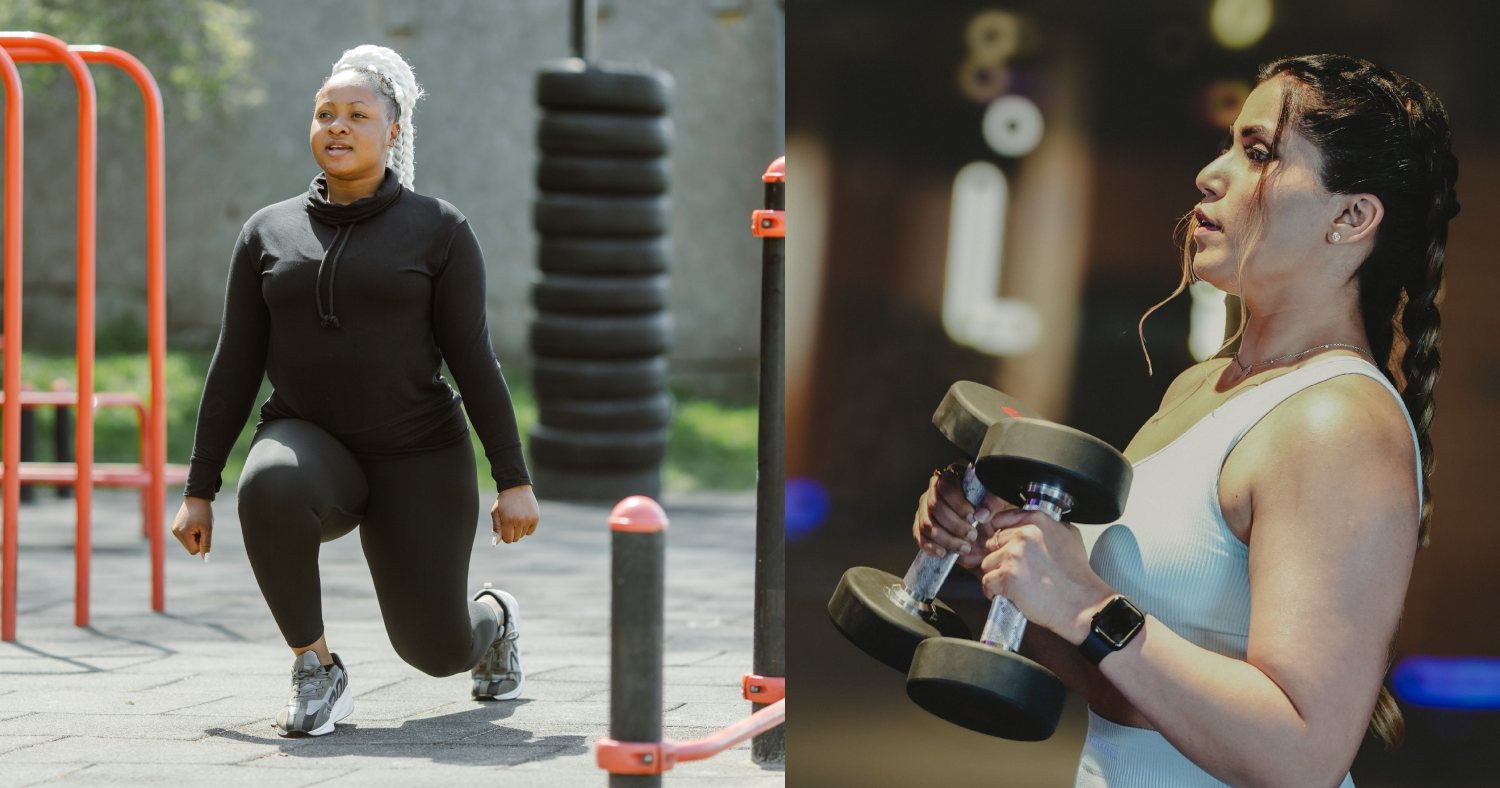
Last summer, a Brigham Young University study found that 90 minutes of strength training can take four years off of your biological age. This news wasn’t surprising, but it was encouraging. New research has found equally promising results. According to a study recently published in the British Journal of Sports Medicine, 90 to 120 minutes of strength training per week can lower mortality. The data was pulled from three long-term studies of more than 147,000 people over the course of 30 years. 80 percent of participants were women and the average age was 54. Here’s a good breakdown of the results from Eating Well:
What Did This Study Find?
After adjusting for potential confounding factors and aerobic exercise, researchers found that performing 90 to 119 minutes of long-term resistance training per week was associated with:
- 13% lower all-cause mortality (death from any cause)
- 19% lower risk of dying from cardiovascular disease and events
- 27% lower risk of dying from neurological disease, like dementia
Benefits leveled off after 119 minutes per week, with no additional benefits in these specific cases.
Additionally, doing 7.5 MET-hours of aerobic activity per week was associated with a 26% to 43% lower mortality risk compared with people who got less than 7.5 MET-hours per week. METs are a measure of work performed—7.5 MET-hours per week is equivalent to standard physical activity recommendations—150 to 300 minutes per week of moderate-intensity activity or 75 to 150 minutes per week of vigorous physical activity.
But what showed the greatest benefit for preventing death was combining high levels of resistance training and aerobic exercise. For example, researchers calculated a 45% lower risk of death for those performing 30 to 45 MET-hours per week of aerobic exercise plus 60 to 119 minutes per week of resistance training.
Those who engaged in the highest amounts of aerobic exercise (≥45 MET-hours per week) had a 42% to 47% lower risk of death, regardless of their resistance-training level. For reference, 45 MET-hours per week looks something like walking at a 15-minute-per-mile pace for more than an hour, seven days a week.
Limitations of this study include that most of the participants’ information was self-reported. This leaves lots of room for inaccuracies, forgetfulness and miscalculations, including under- and overreporting of data (such as underreporting alcohol intake and overreporting exercise amounts). This study measured traditional resistance training but did not include other types of strength-training activities, such as calisthenics and Pilates. It also didn’t include the intensity of the resistance-training workouts. Lastly, caution should be used when generalizing these results, as the cohorts were primarily white, middle-aged health care professionals.
How Does This Apply to Real Life?
Current physical activity guidelines recommend getting 150 to 300 minutes per week of moderate-intensity activity or 75 to 150 minutes per week of vigorous-intensity activity, plus at least two days of strength training. The results of this study suggest that meeting the minimum requirements for aerobic activity and strength training may help lower the risk of death from any cause. Specifically, this study found the greatest benefits with about 90 minutes to two hours of strength training per week. And while some guidelines don’t include stretching, many notable organizations, such as the American College of Sports Medicine, also encourage flexibility training (stretching) at least two days per week and, ideally, every day.If you’re nowhere near meeting these guidelines, that’s OK. Just start where you’re at and slowly increase frequency, intensity and duration over time. Whether you choose to go it alone, hire a personal trainer or work out with a buddy or in a group, the key is consistency, as consistent practice is essential to building long-term habits.
What I find most interesting is that the benefits maxed out at two hours of strength training a week. So many people think they need to go hard to see results, but research keeps showing that’s not the case. It’s a lot easier to make time to exercise when you don’t feel like you have to carve out hours for it. It also makes sense that a healthy combination of cardio and strength training gets the best results. I’m curious to learn how workouts like Pilates and calisthenics, that weren’t included in the study, factor into overall health. It would also be great if there were more diverse studies so we can get a better picture of how exercise affects different demographics.
When I started weight training a few years ago, it was all done at home via Apple Fitness+, YouTube videos, and E2M circuits. Mr. Rosie created a little space for me to work out and my kids gifted me weights for holidays. This cardio gal learned that she really likes living in a strength training world! I love how tingly it makes my muscles feel. I did really well at home for a couple of years, but eventually found myself getting easily distracted. To hold myself accountable, I started taking Core Power Yoga’s Sculpt class twice a week. It incorporates hot yoga, weights, and cardio. I’ve been going since October and have seen noticeable results. It’s a bonus to learn that it could help me live longer.
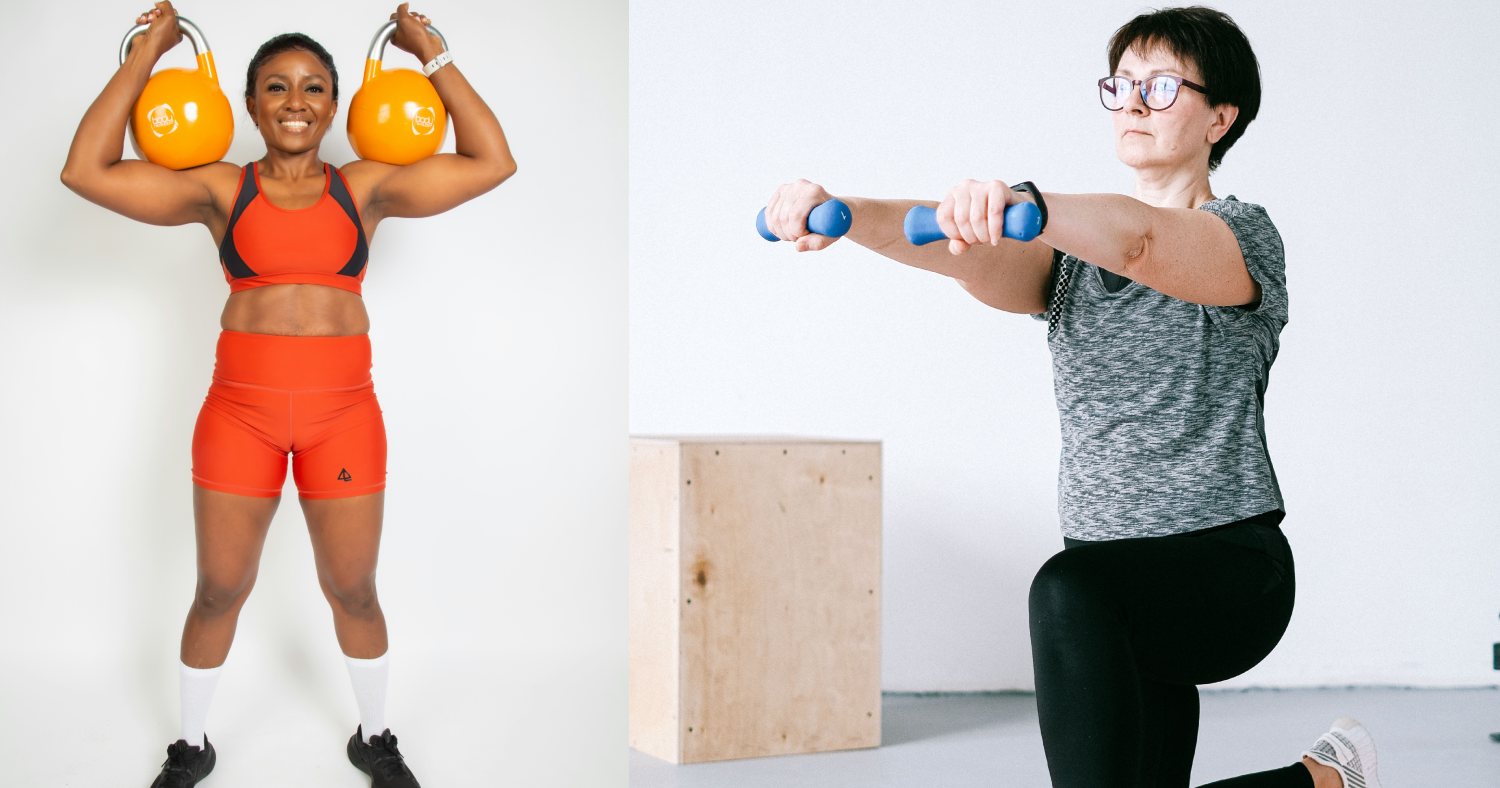
Photos credit: Anna Shvets, Gustavo Fring, April Laugh and Krishna Agrawal on Pexels