Warning: we strongly advise that you read this article either before or after a meal, but not during the act of eating.
Just in time for the release of The Odyssey, the US is experiencing a larger-than-normal spike in cases of a parasite named after the Cyclops. Ok, not literally, but this little bugger is definitely a villain. Meet Cyclospora cayetanensis, an infinitesimal protozoan parasite that gets into our gastrointestinal tracts via feces-contaminated produce and then unleashes severe diarrhea anywhere from two days to two weeks after ingestion. (I TOLD you not to eat while reading this!) It is common in the US for cyclospora infections to increase between May and August, but this year’s case numbers have been decidedly uncommon. In the hopes of keeping us all from getting an upset stomach, the NY Times asked doctors in the field to advise on how we can stay safe. Their prescriptions boiled down to basic food hygiene.
Stats: At least 848 people across 31 states have been infected, the Centers for Disease Control and Prevention reported on Friday. And 86 people have been hospitalized. The true number of cases is likely higher, the agency noted, as it works to confirm more cases being reported at the state level. On Friday, for instance, health officials in Michigan reported 1,562 infections and 44 hospitalizations — up from about 170 cases it reported on June 30. Michigan typically identifies only about 50 cases of cyclospora per year. On Friday, health officials in New York said that there were about 500 cases throughout the state, with New York City reporting 372 cases. Several other states including Ohio, Illinois, Indiana and Kentucky are reporting higher than usual case counts.
A produce problem: Past cyclospora outbreaks in the United States have mainly been linked to fresh produce, including raspberries, basil, cilantro, fruit mixes, snow peas, snap peas, lettuce and salad mixes. They have been caused by both imported and domestic fruits and vegetables and those prepared at home and in restaurants, said Donald Schaffner, chair of the food science department at Rutgers University. Because the cause of the recent infections is unknown, the best way to prevent illness is to follow standard hygiene and food safety practices, said Dr. Adam Ressler, an infectious disease physician with Michigan Medicine.
Broad guidelines: Always wash your hands with soap and water after using the bathroom and before preparing food, Dr. Moore said. Alcohol-based hand sanitizers do not kill cyclospora, he said, but soap and water does. Rinsing fruits and vegetables with water is always a good practice, Dr. Thomas Moore said [infectious disease specialist and clinical professor of medicine at the University of Kansas School of Medicine-Wichita]. Some cyclospora may still cling to contaminated produce after rinsing, but it will reduce their numbers and in turn can reduce your risk of getting sick or make the illness less severe, he said. Cleaning produce with vinegar or other solutions is generally no more effective than doing so with running water, Dr. Schaffner said.
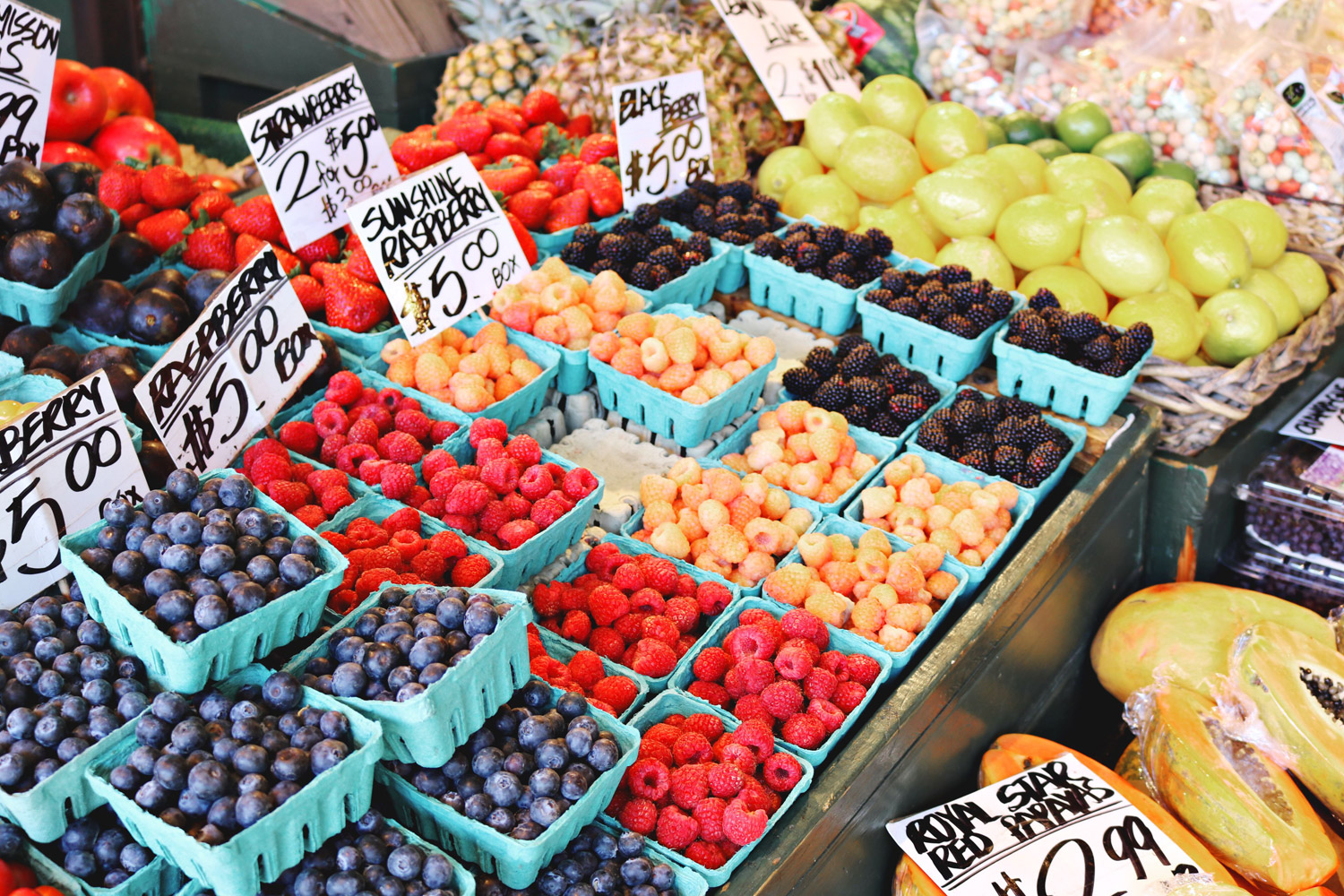
Specific tips: Produce is safest when heated to 158 degrees or higher, which kills cyclospora, according to Michigan’s health department. The department has also issued advice for specific types of produce that have been implicated in previous outbreaks: Cilantro and basil should be washed thoroughly under running water, while separating the leaves. For green onions, trim the root end and remove the outer layer, and wash thoroughly under running water. Snow peas should be washed under running water while rubbing the surface. Raspberries are difficult to clean because their bumpy surface provides crevices where the parasite can hide. Consider cooking them in pies or jam. Freezing berries may reduce the number of parasites, though probably not entirely.
Mixed bags: Since bagged salad mixes have been associated with past cyclospora outbreaks, Dr. Ressler suggested buying heads of lettuce instead. Discard the outer layer of leaves, he advised, and wash the inner leaves under running water before consuming them. At least one Taco Bell — in Westland, Mich. — has confirmed that it has removed lettuce, cilantro, onion, pico de gallo and guacamole from their menu for the time being.
Be vigilant in hand and produce washing! That goes for everyone, but especially for Michigan bitches right now. The CDC says they haven’t identified the common source of this cyclospora cyclone, but Michiganders are definitely getting the brunt of it. While the doctors in this article stressed that infection from cyclospora is not life-threatening, they also categorized the most-potent diahrrea levels as “explosive.” And just like with covid and the flu, getting this bug is worse for anyone immunocompromised or otherwise vulnerable. If you do catch it, the first course of care is to stay hydrated! And check with your doctor before taking an over-the-counter med like Imodium or Pepto-Bismol; based on the severity of your case, your doctor may want to prescribe antibiotics instead. Please stay safe and use best food practices! I don’t love covering these crappy stories!
PS — Bless the NY Times for including the plight of that one Taco Bell. But with lettuce, cilantro, onion, pico de gallo, and guacamole off the menu, what are they serving?
Photos credit: Louis Hansel on Unsplash, Madison Inouye and Matthew Baxter on Pexels