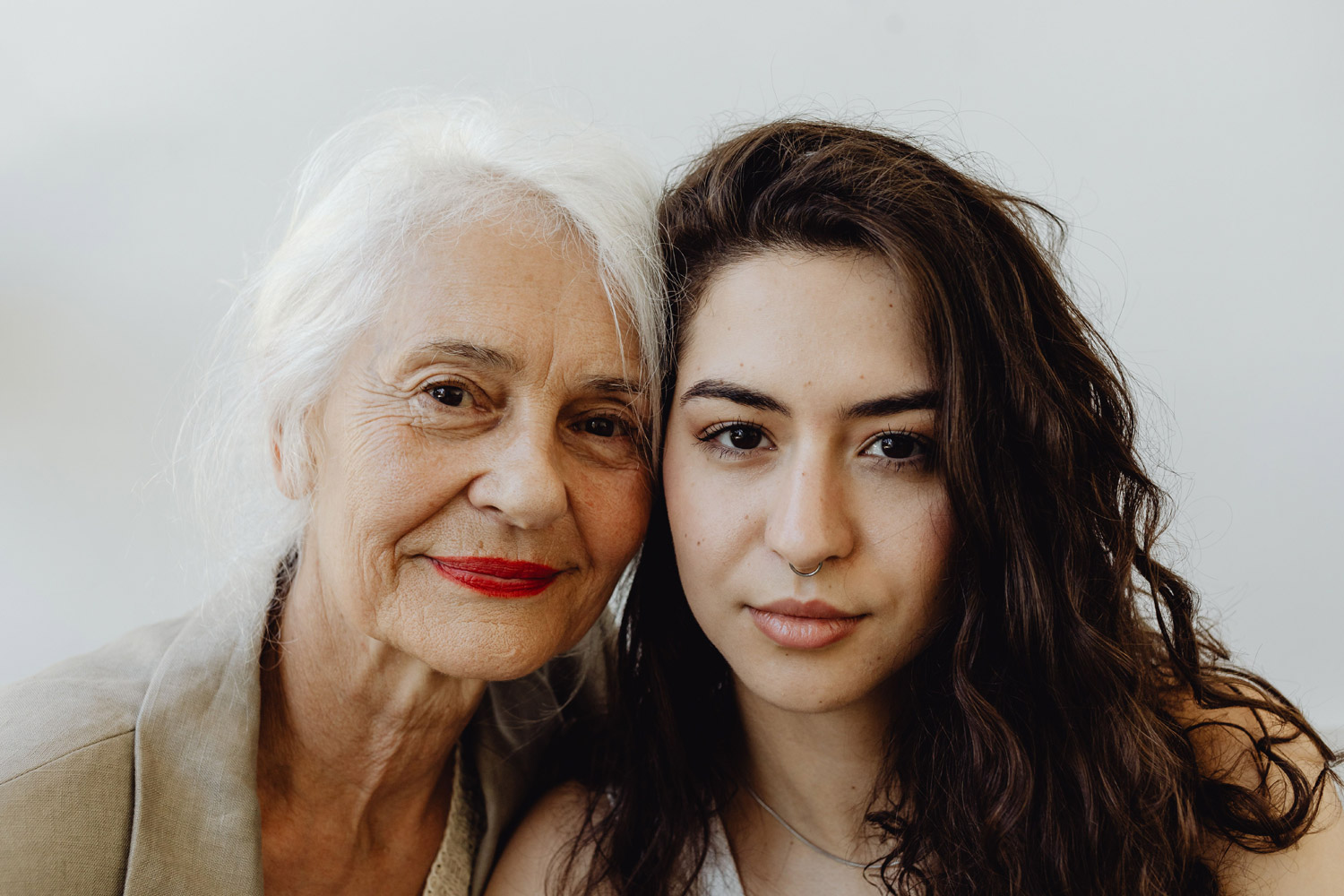
I have loved every minute of being naturally curly-haired. Even as a little girl, instead of wanting to fit in, I felt special that I had something that was different. I don’t even own a hair dryer or flat iron! (Ok fine, that partly comes down to laziness.) The one area where my exuberant hair pride falls short, is color. For as long as I’ve loved having these natural curls, I have equally dreamed of being a natural redhead. (Don’t laugh at my dream!) Well, science may have finally taken a step towards my dream… possibly. Alright, this news likely won’t help me out in my quest at all, but it’s somewhat adjacent! Back in 2017, researchers observed an unexpected result in lung cancer patients who were undergoing immunotherapy: their gray hair returned to its former color. Cut to 2026, and the Today Show just ran a segment with a Ph.D. who is putting her intellect to investigating if the science behind immunotherapy could be used as a treatment for gray hair:
An unexpected result during cancer treatment: By using drugs that stimulate part of the immune system, researchers think they may be able to restore pigment to hair that’s gone gray to prevent or even reverse the process. The idea started with an unexpected finding in cancer patients. In a study published in JAMA Dermatology in 2017, researchers found that 14 lung cancer patients who were treated with an immunotherapy drug also experienced the re-pigmentation of their gray hair. The researchers weren’t exactly sure why the treatment had this side effect on gray hair, but thought it could be used as a marker that the drug was working in cancer patients. But others, like Melissa Harris, Ph.D., at the University of Alabama at Birmingham, have begun investigating the use of immunotherapy specifically to treat gray hair.
The rinse & repeat of hair life: Hair goes gray as we age due to changes in the pigment-making stem cells called melanocytes that live in and around your hair. Every hair goes through a normal cycle consisting of a growth phase followed by a resting phase, then finally falling out over the course of years. Each time the hair starts a new cycle, pigment (melanin) is created. When that happens, the melanocytes that normally live in the midpoint of your hair, migrate to the follicle to produce pigment, Dr. Jonathan Zippin, dermatologist at Weill Cornell Medicine, told TODAY.com previously. But after seven to 15 rounds of this cycle, those cells stop producing more melanin, the American Academy of Dermatology explains. You’ll notice graying start when “those melanocytes are no longer moving and populating the bottom of the hair,” Zippin said.
More research required: Harris believes that losing melanocytes as we age is “the major reason why we gray,” she explained in a TODAY segment aired June 16. Getting the pigment back, then, is a matter of rejuvenating that pigmentation system by “reactivating those stem cells,” she explained. So far, Harris and her team have only tested the immunotherapy treatment in cells and animal models. But the results have been as dramatic as those seen in the 14 cancer patients. More and larger-scale research in humans will be needed before the treatment has a chance of hitting the market.
Stress factor: Stress can also lead to graying by causing your body to release norepinephrine, a hormone. This chemical spurs the melanocytes to leave the hair follicle, contributing to gray hair, the AAD says. For now, there aren’t any approved treatments to reverse or stop hair from going gray. And certain underlying health conditions or stressful life events may make premature graying more likely for you. If you’re concerned the amount of gray in your hair may indicate a medical problem, talk to a dermatologist or other health care provider.
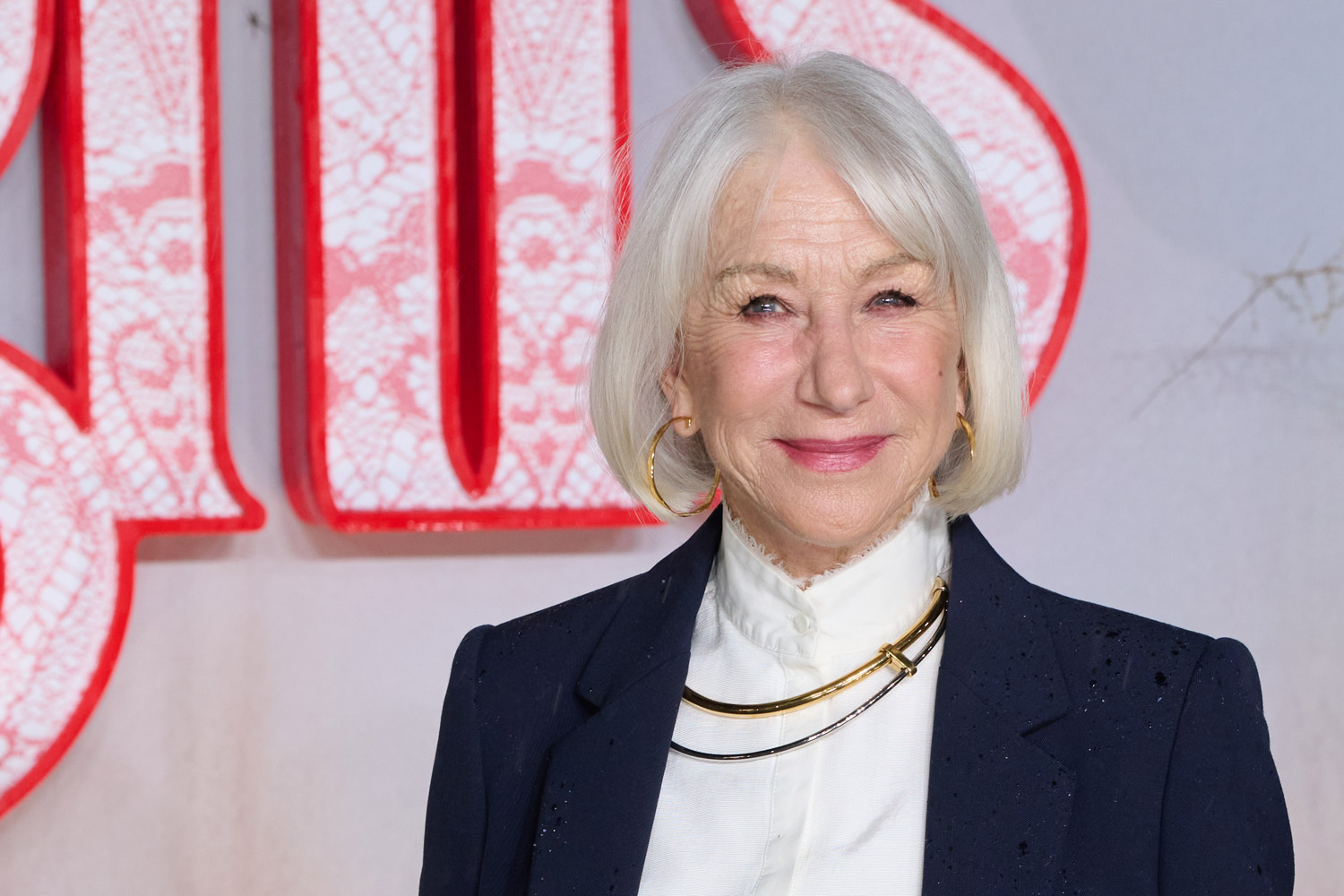
If you’re a visual person like me, I recommend watching the video clip. They have a helpful diagram of hair on the cellular level, which makes it easier to follow how the stem cells create the pigment cells and thus color your hair. Dr. Melissa Harris likewise spells it out in simple terms on camera: the loss of these cells is what causes gray hair, so the treatment probably lies in reactivating those cells, which is where the immunotherapy comes in. Science is about asking questions and testing hypotheses, and who knows where this research could lead relating to more than hair. (Though a lot seems to be happening on the hair front these days in terms of medical intervention.) However — and yes, I’m even surprising myself by saying this — doesn’t it sound a little wonky to describe gray hair as something in need of “treatment”? I know I waxed about my redhead dreams, but that’s what I want now. Earning gray, and eventually white hair actually seems like a badge of honor to me. My mother and aunt both grew out their natural gray in their 60s, and it looks glorious on them! I’m looking forward to my white-haired Peggy Guggenheim Era! (With ideally the same wardrobe and art collection.) But to each her own, whatever makes you happy. Powdered, flowered, and confettied, bangled, tangled, spangled, and spaghettied…

Photos credit: Kaboom Pics on Pexels, Unicode Images/Avalon, Olivier Sanchez/Avalon