We’re in the dog days of summer, so it’s only appropriate that we should brush up on how to care for our dogs during summer. BBC News consulted with two top UK pet charities — the Royal Society for the Prevention of Cruelty to Animals (RSPCA) and the People’s Dispensary for Sick Animals (PDSA) — about ways to spot if our pups are overheating and how to respond. This pup PSA from the BBC comes amid the UK suffering through experiencing a historic heatwave. The tips I found most helpful were the specific symptoms they highlighted as signs of heatstroke and/or sunburn. Here it is straight from the horse’s, er, canine’s mouth:
When is it too hot to walk your dog? The RSPCA says … there is no “safe” temperature for walks, as it depends on your dog’s breed, age, health and temperament. The charity also recommends the pavement test: if you can’t comfortably hold your hand on the ground for five seconds, it’s too hot for your dog’s paws. … The charity says these signs could mean your dog is suffering in the heat: limping or refusing to walk, licking or chewing at their feet, their foot pads are darker in colour or damaged, they have visible blisters or redness.
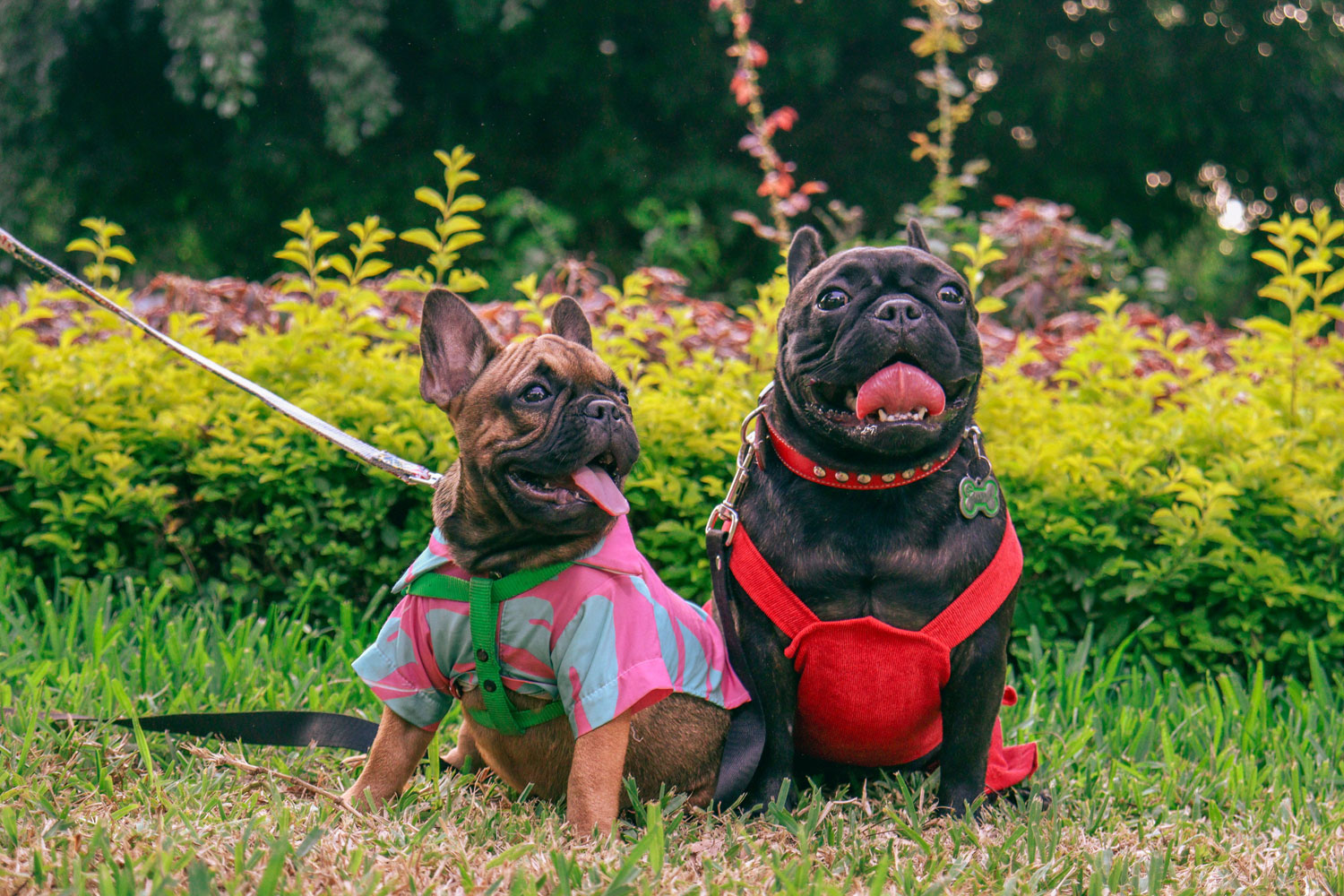
Signs of heatstroke: Some dogs are more at risk of heatstroke than others. This includes those with underlying health conditions or thick coats which can trap heat. Puppies or older dogs may also struggle to regulate their temperature. Dogs pant to keep themselves cool, but the shorter snouts of certain flat-faced breeds like bulldogs and pugs make this difficult. … According to the PDSA, symptoms of heatstroke include excessive panting, drooling or foaming, confusion, shaking, weakness and collapse, vomiting or diarrhoea, seizures.
How to treat heatstroke: First try to cool your dog down as quickly as possible. Move them to a shaded area and slowly pour any available water that’s cooler than the dog’s temperature over their body, avoiding their head in case they are struggling to breathe. Do not cover them in damp or wet towels as this can trap heat. The faster you can bring their temperature down, the lower the risk of serious injury. Once your pet has started to cool down, contact your vet for guidance and possible further treatment.
Cool tricks: Provide plenty of clean water — you can add ice cubes to their water bowl. Pets may also enjoy frozen edible snacks. Put wet or damp towels underneath their body — but don’t place them directly on top. Several pet cooling mats and jackets are available, but make sure you follow the instructions. Products that need to be kept constantly wet can actually make your pet hotter if they dry out. Some animals may enjoy playing with frozen toys, or cooling off in a paddling pool — although you should always supervise pets around water.
Sunscreen for Spot? Dogs and cats can get sunburnt — especially if they are light-coloured or have thin patches of fur. Ears, noses, eyelids and bellies are also vulnerable. Sunburn can be painful for pets, and in extreme cases can lead to skin cancer. Some active ingredients in human sun cream are toxic to pets so vets recommend using a pet-safe waterproof sunscreen, with an SPF rating of 30 or higher. … Gently apply a thin layer of sunscreen on the exposed white and light patches of skin, plus their nose and ears. The PDSA warns pet owners to look out for the following symptoms of sunburn: blisters, crusting, itching, redness.
Woof, I guess I’ll be shopping for doggie sunscreen tonight, because My Guy is just as pale and pink-skinned as his mama. Even some of his paw pads are pink! I haven’t noticed in him any of the symptoms they mention — blisters, crusting, itching, redness — and I keep us in the shade as much as possible, but we do live in a city so he’s trotting on pavement. We’ve actually been seeing a lot more of our friends stepping out in little booties, but My Guy thinks everything that size is a toy and I can just see him gnawing them off. But back to sunscreen… The BBC article suggested trying out just a little bit of sunscreen and observing for 24 hours to see if your dog has any bad reactions. They also said some lotions are made bitter-tasting on purpose so that dogs won’t lick it off. Or another approach is to apply the sunscreen and sit with your pup and keep them from licking for about 10 minutes to make sure the sunscreen sets in.
Also, I didn’t excerpt it but the article did bring up perhaps the most important rule for being a pooch parent in the summer (or any season, really): never ever ever EVER leave your dog in the car! Just ask Kelly Ripa.
Photos credit: Christina Brik, Kampus Productions, Jorge Zaldívar Marroquín and Graham Ellis on Pexels