The decades-long fight to clear Chester Weger’s name as the notorious “Starved Rock Killer” isn’t ending with his death.
Weger’s family will get a chance next month to argue that the man who spent nearly six decades behind bars was wrongly convicted in one of Illinois’ most infamous murder cases.
The Illinois Prisoner Review Board has scheduled a rare Oct. 6 hearing in Chicago on the family’s request for a posthumous pardon from Gov. JB Pritzker.
The board rarely has considered posthumous clemency petitions, holding such hearings for only two other people in the past seven years.
Weger was sentenced to life in prison in 1961 for killing one of the three women whose battered bodies were found near a cave at Starved Rock State Park, a popular getaway spot for Chicagoans.
He confessed to the killings but quickly recanted — then spent the rest of his life insisting he was innocent.
Weger was paroled in 2020 for good behavior in prison after spending about 60 years behind bars, but his conviction remained on his record.
After his release, his lawyers launched a fresh effort to overturn the conviction, citing DNA evidence, new witness testimony and alternative theories about who killed Mildred Linquist, 50, Lillian Oetting, 50, and Frances Murphy, 47. They had gone to Starved Rock to hike and bird watch in March 1960.
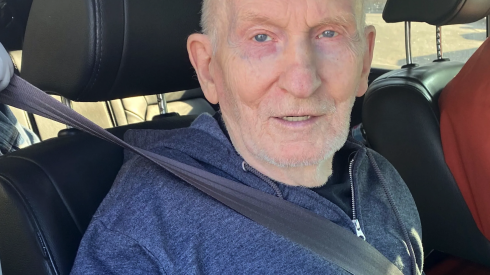
Weger’s lawyers have theorized that a relative of one victim hired mobsters to kill her and that the other two women were slain because they witnessed the crime.
The lawyers also pointed to a hair found on the finger of one of the victims. Tests found the hair didn’t match the women or Weger and most likely came from another local man.
But a LaSalle County judge rejected Weger’s post-conviction petition last year. Weger died less than a week later. He was 86.
His family filed a petition in June asking Pritzker to grant executive clemency — a process separate from parole and one that could posthumously wipe away Weger’s conviction.
The Prisoner Review Board will weigh the testimony given Oct. 6 before sending the governor a confidential recommendation. Pritzker will make the final call.
The board typically takes about two months to forward its recommendation. Another high-profile clemency request — from former Gangster Disciples boss Larry Hoover — remains pending after an April hearing.
“We didn’t get a fair shot at the evidentiary hearing,” says Weger attorney Andrew Hale, who spent a decade reinvestigating the Starved Rock murders, hosted a podcast about the killings and appeared in an HBO documentary about them.

Hale says Weger’s sister and her two daughters plan to attend the October hearing. He hopes the board members will closely review the family’s nearly 100-page clemency petition.
“I am hopeful,” he says. “I feel like this board and the governor’s office, if they take a fresh look at this, I should win.”
He acknowledges that wiping away Weger’s conviction could potentially open the door to a lawsuit, but says that’s not the family’s focus.
Prosecutors and survivors of the women have opposed the efforts to parole Weger and overturn his conviction.
One of the few recent cases in Illinois in which a posthumous clemency hearing was held involved Grover Thompson, who was convicted of attempted murder after a trial in 1981.
Thompson was convicted of stabbing a 71-year-old woman during an attempted sexual assault in her Mount Vernon apartment. He died in prison in 1996.
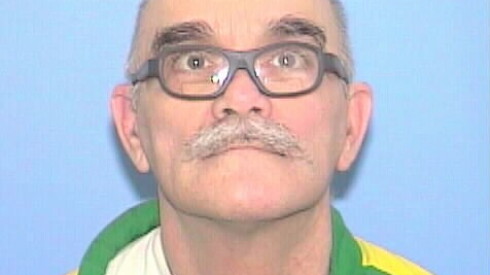
Years later, serial killer Timothy Krajcir confessed to an attempted sexual assault matching the circumstances of the crime for which Thompson had been convicted.
Krajcir admitted to killing nine women and is serving an 80-year Illinois prison sentence.
Thompson’s nephew, the Illinois Innocence Project and police officer Paul Echols — who obtained Krajcir’s confession — pushed to clear Thompson’s name.
Then-Gov. Bruce Rauner granted Thompson a pardon in 2019.
The other recent case involves Joe James, a Black man executed in 1908 for killing a white man, Clergy Ballard, in Springfield.
Northwestern University’s Center on Wrongful Convictions and other advocates have argued James did not receive a fair trial.
An all-white jury convicted him just weeks after a white mob lynched two Black men and torched hundreds of Black homes and businesses during the Springfield race riot.
The Prisoner Review Board has sent Pritzker a confidential recommendation in James’ case, and the governor has yet to act on it, according to a board spokesperson.