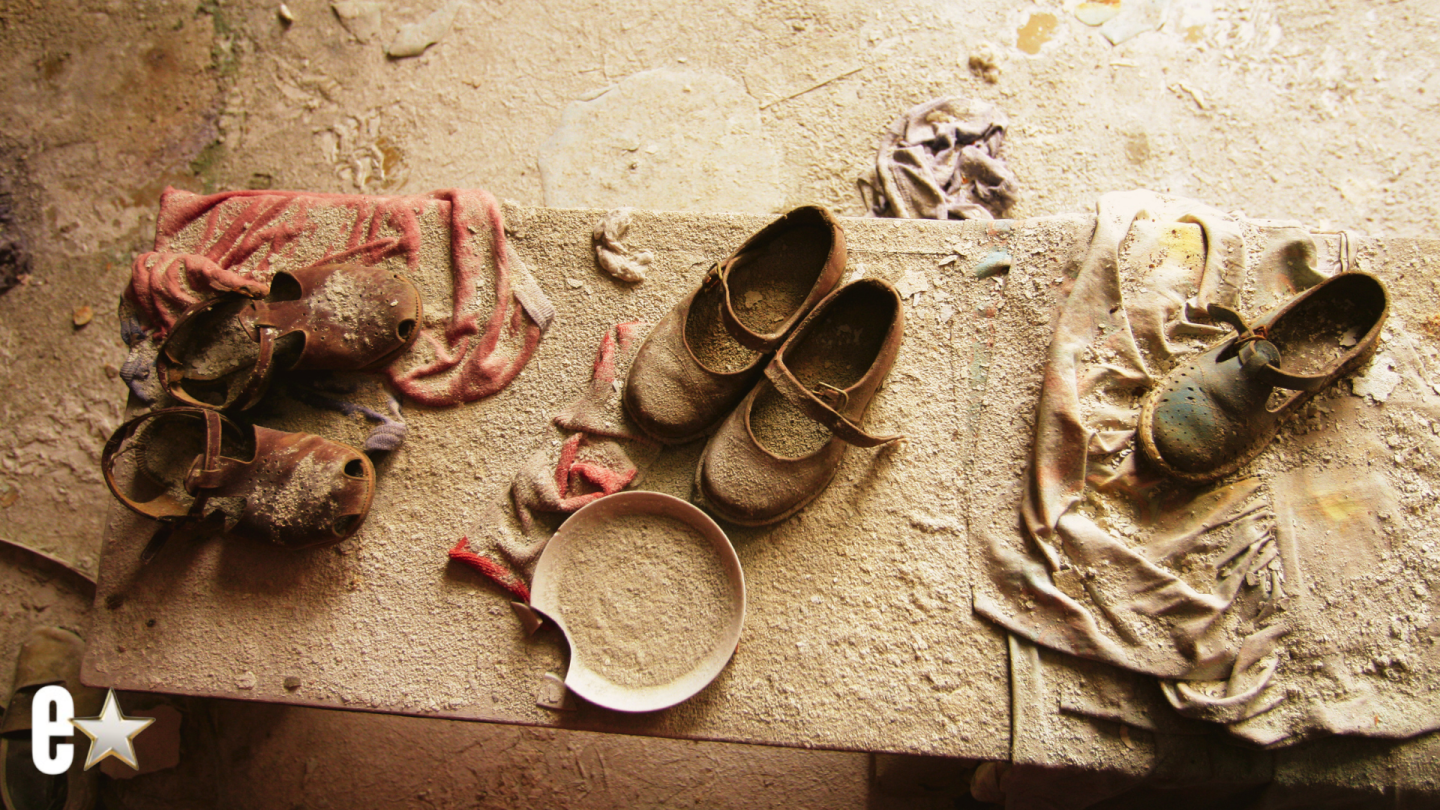
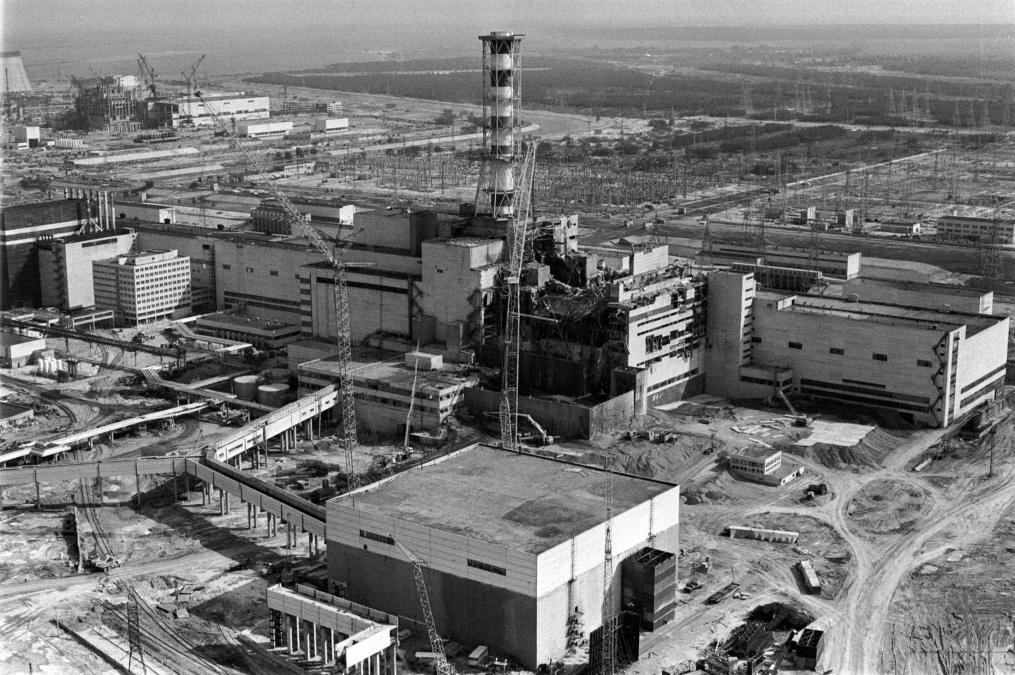
Forty years ago, the world changed in the middle of the night. On April 26, 1986, Reactor No. 4 at the Chernobyl Power Complex in what is now Ukraine exploded and caught fire, sending a radioactive cloud of dust across Ukraine, Belarus, Russia, and much of Europe. It remains the worst civilian nuclear disaster in history.
 HBO
HBOForty years later, the world is taking another look at what really happened.
How CNN’s New Docuseries ‘Disaster: The Chornobyl Meltdown’ Is Telling the Full Story
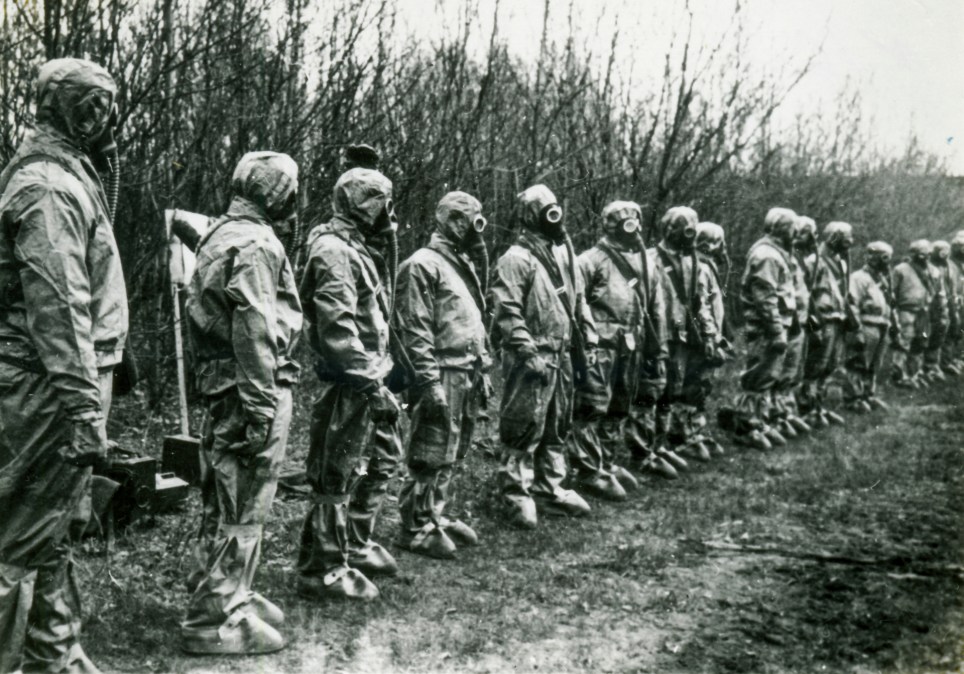
Now CNN is taking a closer look at what happened, what was hidden, and what the landscape looks like today in a new four-episode docuseries, “Disaster: The Chernobyl Meltdown,” produced in collaboration with National Geographic EMEA and Windfall Films.
 Getty
Getty“Disaster: The Chernobyl Meltdown” airs Sundays at 9 p.m. ET/PT on CNN, with the first two episodes on May 10 and the final two on May 17.
CNN streaming subscribers can access all episodes on demand beginning Tuesday, April 21.
What CNN’s ‘Disaster: The Chernobyl Meltdown’ Reveals That Has Never Been Seen Before
 Getty
GettyThis is not a retelling of a story most people think they already know.
 Getty
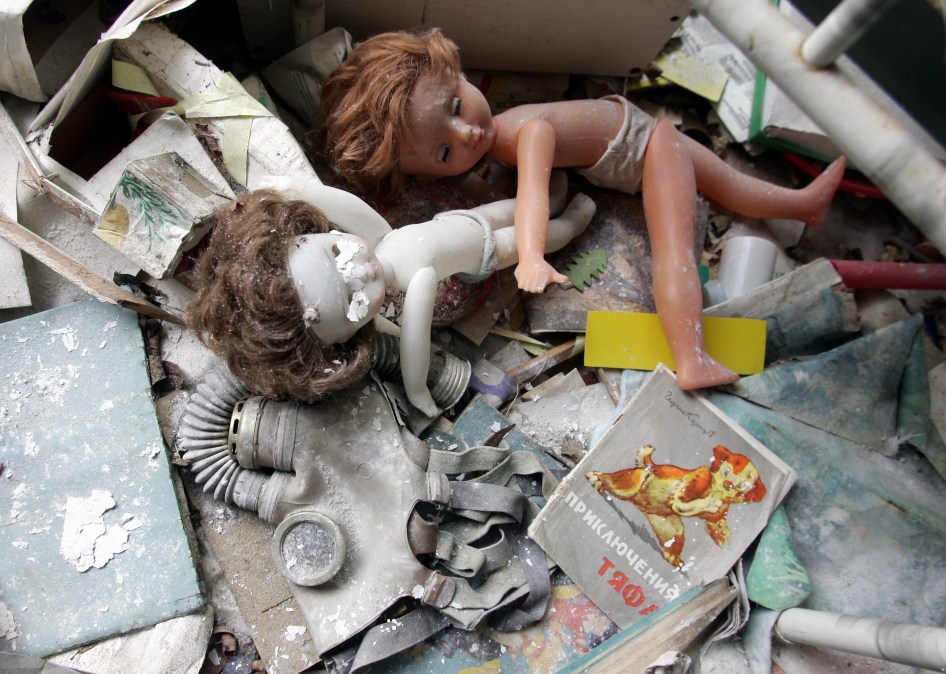
GettyAccording to CNN, the docuseries “features revealing interviews with survivors speaking publicly for the first time, alongside rare insight into the CIA and Soviet responses.”
 Getty
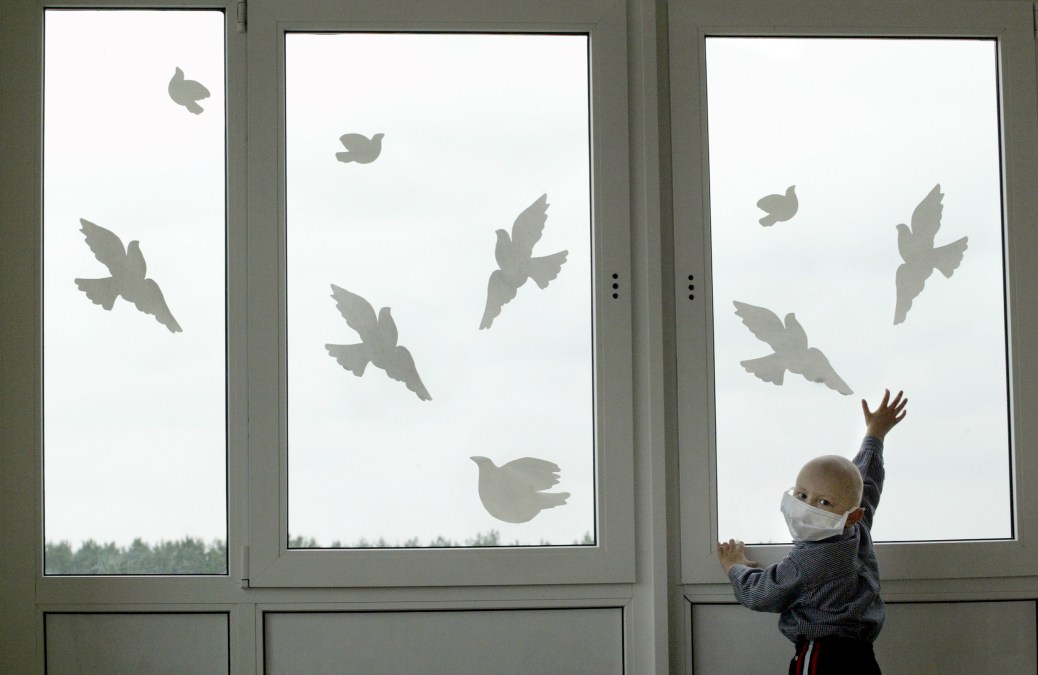
GettyBelarus Vladislav Petrov, a 3.5-year-old patient in the hematological department of radiology and nuclear medicine institute in Gomel, plays with paper pigeons on September 6, 2005.
The series “exposes a web of secrecy, miscalculation, and human cost.”
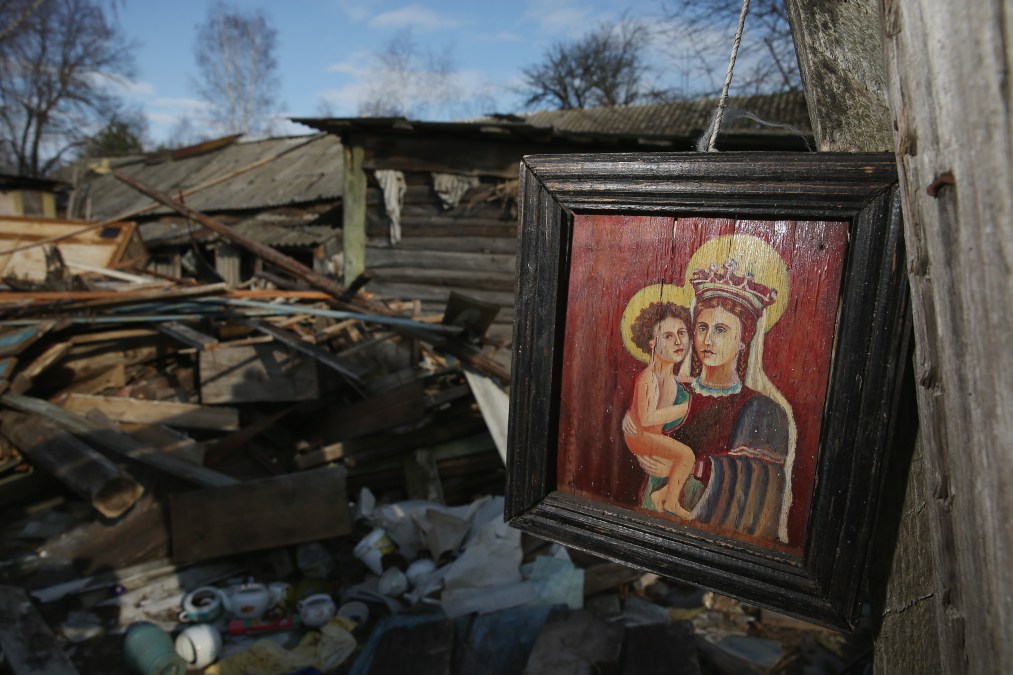
Perhaps most striking is the new footage shot inside the nuclear exclusion zone itself, revealing how the scarred and largely abandoned landscape is once again under threat as war encroaches on one of the most dangerous places on Earth.
 Getty
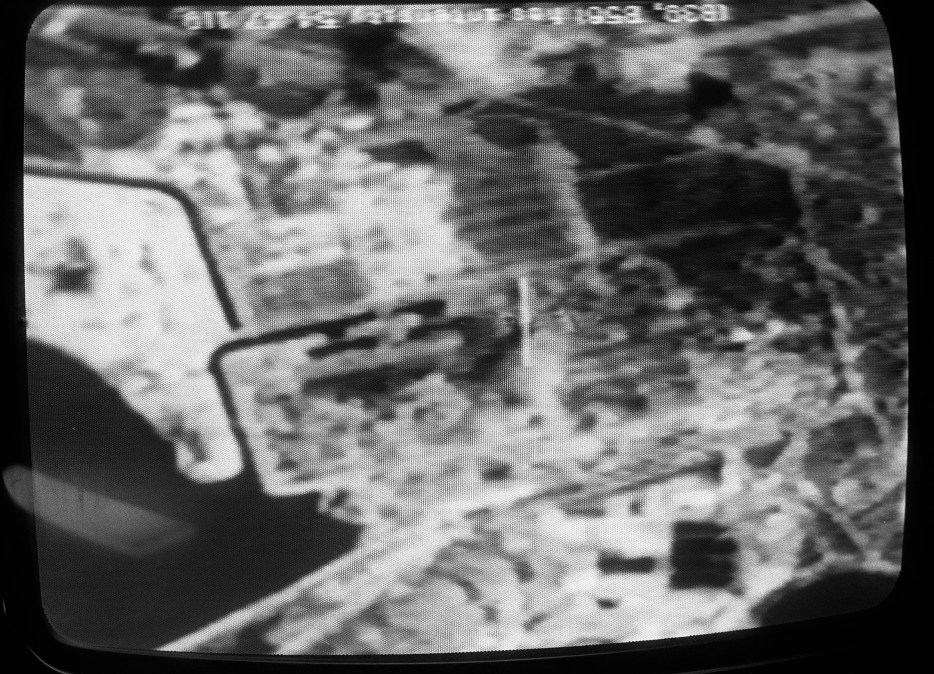
GettyForty years later, Chornobyl’s story is still being told. Scroll down to see more photos.
 Getty
Getty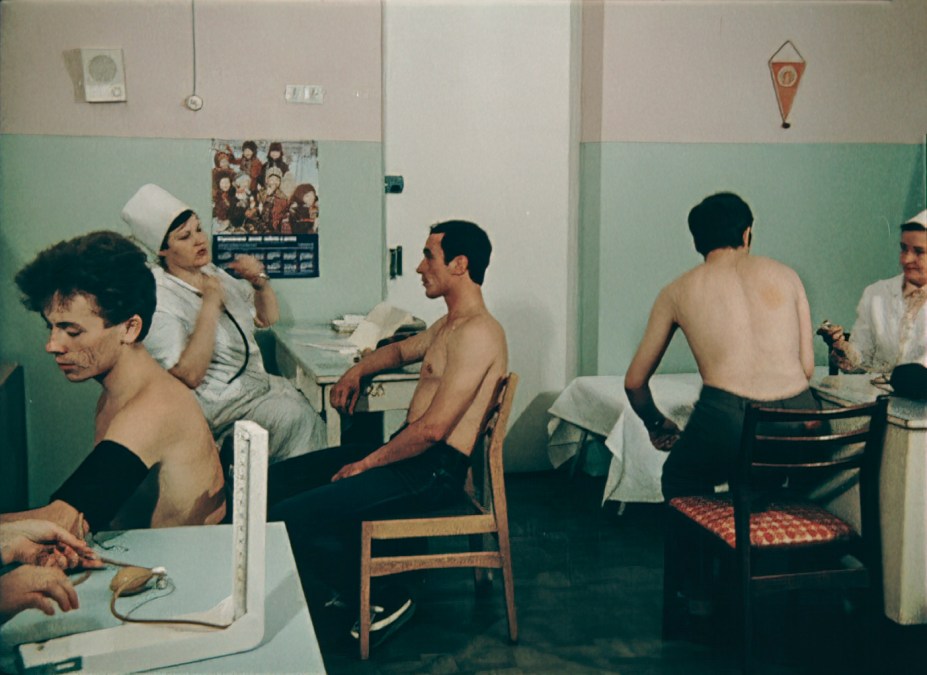 HBO
HBOThe photos above bring the full weight of the disaster into focus.
By the Numbers: The Scale of the Chernobyl Disaster
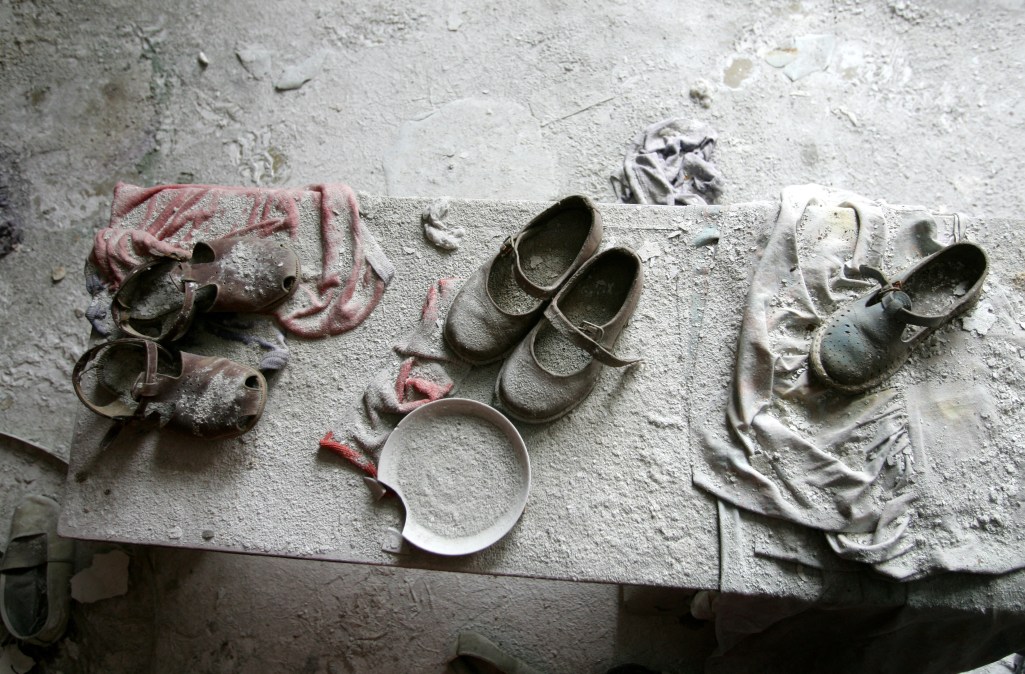 Getty
GettyThe scale of what happened at Chernobyl is almost impossible to absorb. Thirty plant workers lost their lives in the explosion or from acute radiation sickness in the months that followed, per Reuters.
Twenty-eight firefighters who rushed toward the blaze died by the end of July 1986 from radiation exposure alone, according to official documents by the International Atomic Energy Agency.
The damage did not stop at the fence line. About 45,000 residents of Pripyat, the nearby workers’ city, were evacuated the day after the explosion, per Fox.
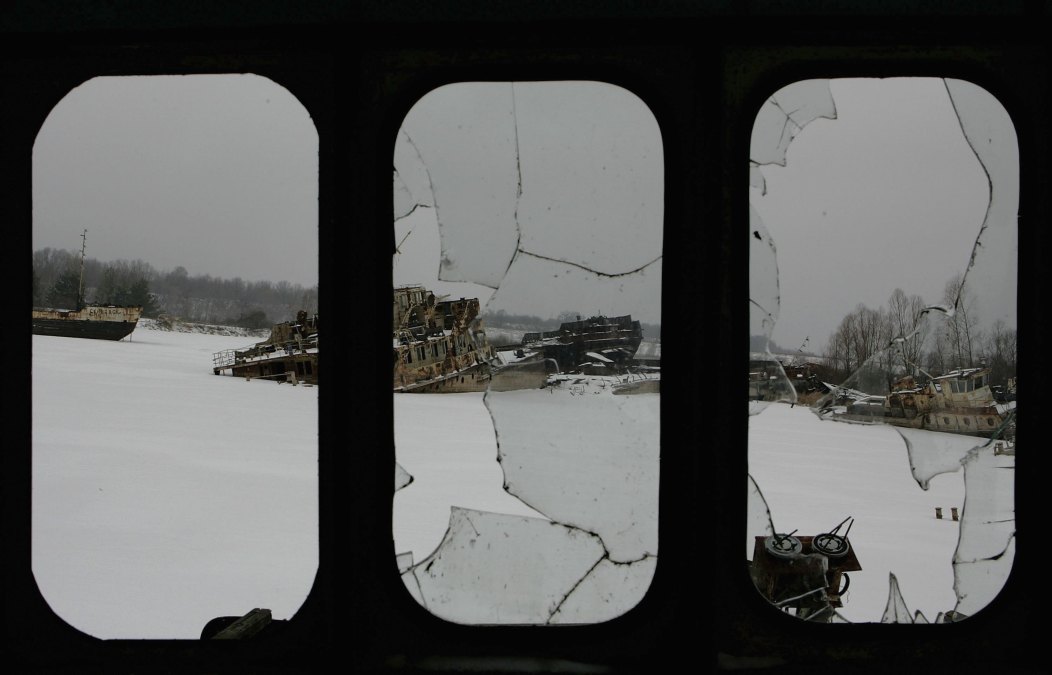 Getty
GettyWithin weeks, roughly 116,000 people living within 19 miles of the plant had been relocated. Eventually, another 220,000 followed, according to the World Nuclear Organization. In total, approximately 5 million people lived in contaminated regions.
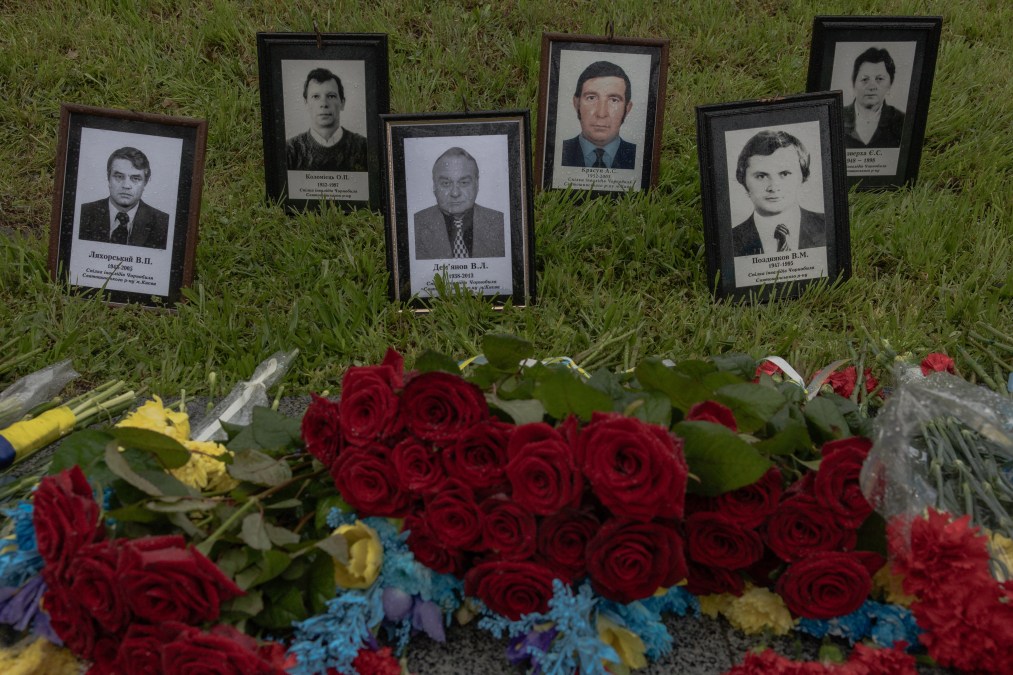
Around 600,000 workers known as “liquidators” were deployed to contain the damage between 1986 and 1987, per AP. Every one of them was exposed to elevated radiation levels.
The long-term toll is still being counted. The World Health Organization estimates as many as 9,000 people will eventually die from Chernobyl-related cancers. The environmental group Greenpeace puts that number at 90,000.
More than $2.25 billion has been committed to building a permanent shelter over the destroyed reactor. The exclusion zone spans approximately 1,838 square miles, roughly the size of Rhode Island, and is divided between Ukraine and Belarus.
The post Photos of the Chernobyl Disaster Aftermath Today Amid CNN Documentary Release appeared first on EntertainmentNow.