SPRINGFIELD — Illinois senators tossed up a desperation heave late Sunday to entice the Chicago Bears to build a new domed stadium in their home state instead of Indiana, as the clock ticked down on the spring legislative session in Springfield.
A day after top stadium negotiator and South Side state Sen. Bill Cunningham made the bombshell announcement his caucus wouldn’t support megaprojects property tax-incentive legislation the team has sought for three years, officials were running a two-minute drill to come up with a completely new framework.
Cunningham filed a bill about 11 p.m. on the final night of the General Assembly’s spring calendar that would allow Cook County municipalities with populations of at least 70,000 to create their own stadium-financing authorities. Those would be akin to the Illinois Sports Facilities Authority (ISFA) that funded construction of what is now Rate Field as well as the often-ridiculed 2003 renovation of Soldier Field.
Proponents said it would provide the level playing field Senate Democrats have demanded in pitting Chicago against Arlington Heights — and potentially several other towns, including Schaumburg or Cicero, if they might be inclined to throw public dollars at a stadium — for a new Bears dome.
And Cunningham said it would give the Bears the “property tax certainty” the team has long demanded because it wouldn’t pay a cent in property taxes. The land and the stadium at whatever site the team picks would be owned by the municipality, while the team would pay for stadium construction.
Property taxes have been the Bears’ main concern in advocating for the tanked megaproject legislation, which would’ve allowed them to negotiate discounted payments in lieu of taxes (PILOT) in order to slash property tax bills the team has estimated would top $100 million annually in Arlington Heights.
“This would give the Bears what they want,” Cunningham said before calling the bill for a vote. “They have said that they can build and will build their own stadium with private finances. They can do that.”
Cunningham said he believed he had the votes to get through his chamber, but he wasn’t sure about its prospects in the Illinois House. The Bears were also apprised of the proposal but didn’t indicate if they supported it, Cunningham said.
Team reps hadn’t responded to multiple media requests for a full day, either on the stalling of the megaprojects bill or the Hail Mary proposal, which doesn’t include “a single penny of taxpayer dollars being spent,” Cunningham said.
“We are creating these paths for the Bears,” Cunningham said. “It’s up to them to choose which path to go down.”

Chaotic end of session
It all appeared to mark something of a Springfield win for Mayor Brandon Johnson, whose top adviser Jason Lee was in the Capitol at the close of session to lobby against the PILOT bill that could’ve ushered the team to the suburbs.
Lee said city lawyers were still reviewing the proposal, and while “we believe in public ownership,” he was concerned about the lack of a dedicated revenue stream, like ISFA’s 2% city hotel tax.
Bears officials have estimated a public ask of $855 million for sewers, roads and other investments in Arlington Heights.
Gov. JB Pritzker, whose office was involved in developing the latest proposal, has long championed PILOT legislation, but he vehemently opposed subsidizing a privately owned stadium for a professional sports franchise valued at $8.9 billion. He has stressed that much of the proposed infrastructure funding would be earmarked for Arlington Heights regardless of whether the Bears were at play.
The team has been adamant that their only viable destinations are the former Arlington International Race Course they bought for more than $197 million in 2023, or an area near the Lost Marsh Golf Course in Hammond, Indiana, which is built over an old industrial dump.
Hoosier lawmakers authorized a new stadium financing authority in February that would put $1 billion in taxpayer dollars into a stadium for the Bears, who would get to keep all revenue generated at the dome, all backed by a slew of new taxes and tolls.
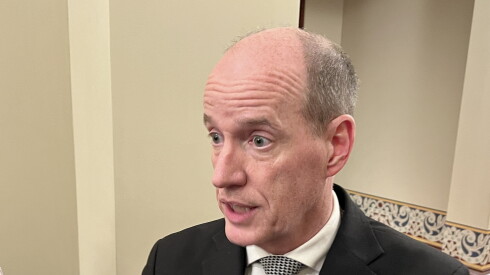
Cunningham said his proposal mirrors Indiana’s, without the taxpayer burden. Neither infrastructure dollars nor statewide property tax relief were part of the latest Illinois plan.
“This is not a Bears-specific stadium, either,” Cunningham said, as several other of Chicago’s pro teams have eyed new homes. “It could be used for any professional sports franchise.”
A key constitutional deadline of midnight into June 1 would not apply a higher vote threshold of 60% to passage because the bill would not take effect for a year, Cunningham said. He thought the votes would be there in the Senate regardless.
“The public ownership structure here provides a clearer public benefit, and I think that’s why senators are more likely to support this than the other approach,” Cunningham said. “This will be one of the most favorable stadium deals, from a taxpayer perspective, that has ever been put in place.”
Bears president Kevin Warren has said the franchise will name its next stadium site by “early summer.”
State Rep. Kam Buckner — whose South Side district includes Soldier Field and who sponsored PILOT legislation that easily cleared the House last month — was still holding out hope for a Caleb Williams-like comeback in the final hours of session.
“The language is what is going to drive the day when it comes to what happens here,” Buckner said. “I want to get on with this and get past this, give the Bears what they need to stay in the state. But we’ll see what happens.”